Buying a block of land is often the first financial step toward a tiny, modular, kit or granny-flat build, and it is the step where finance works least like a normal home loan. There is no house on the block yet, so there is nothing for the lender to treat as a home. This guide is about the land stage on its own: how a vacant land loan works, what lenders tend to look at, and what to settle before you commit to a block.
If you want the wider picture of how land and building finance fit together, see our guide to land and construction loans. This page goes deeper on the land purchase itself.
Quick answer
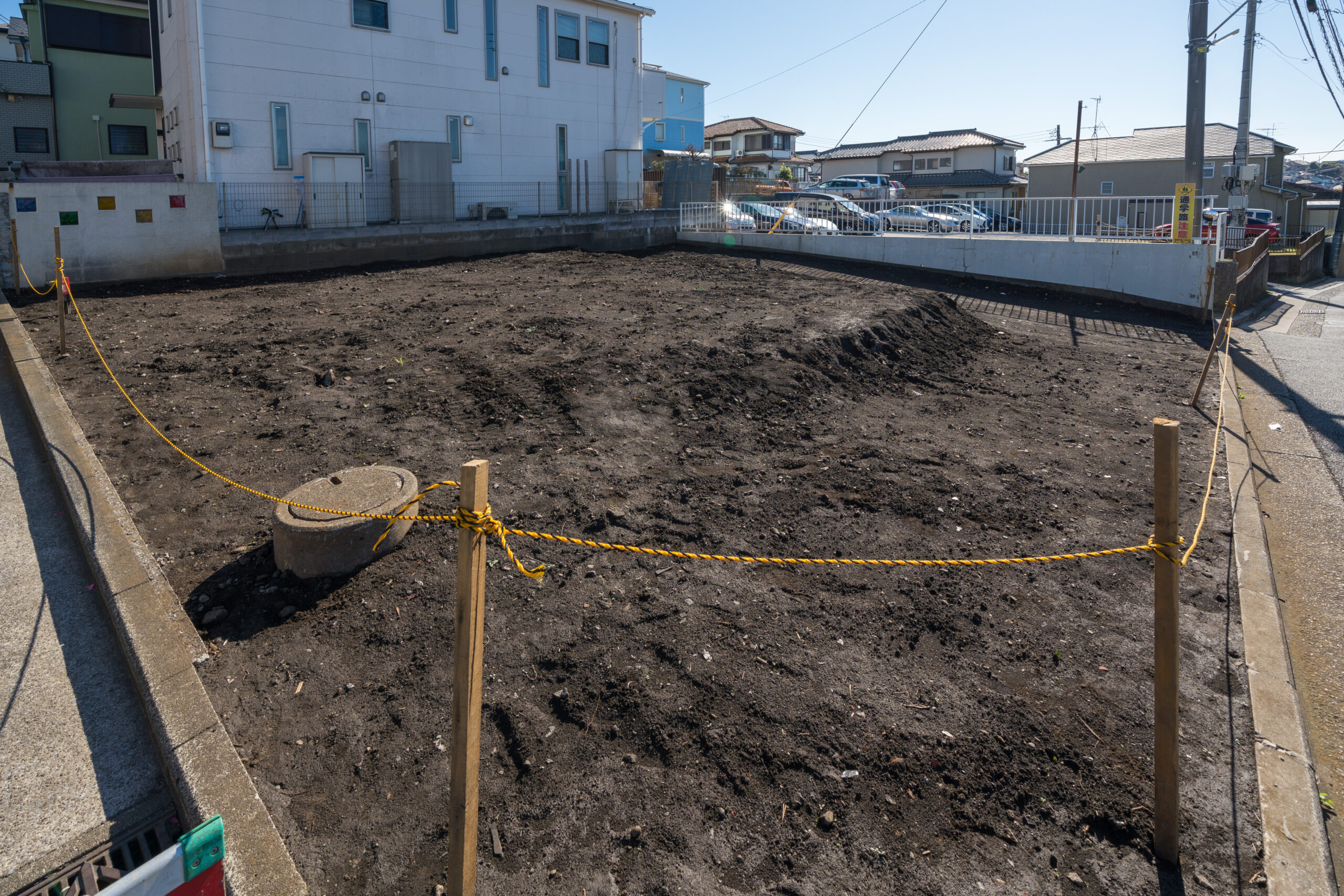
A vacant land loan is finance used to buy a block with no dwelling on it. Because the security is bare land, lenders generally treat it more cautiously than a standard home loan, and policies on deposit, block type and the time you have to build vary widely between lenders. Approval depends on the lender’s criteria, your serviceability and the block itself, and is never guaranteed.
How a vacant land loan works
With a vacant land loan you borrow to buy the block and settle on it. You then own the land, and the loan is secured against it. Repayments are generally principal and interest, though structures differ by lender and product. It is a different step from a construction loan, which Moneysmart describes as a type of home loan for people who are building their own home. A construction loan funds the build; a vacant land loan funds the block.
That split matters because the two are often arranged separately. You may buy land first, and arrange construction finance later, once you have designs, approvals and a builder. Or you may arrange a single combined facility that covers both. Our land and construction loans page compares those structures.
What lenders typically look at
Deposit. Because the security is vacant land, lenders commonly expect a larger deposit than for an established home. The expected amount differs by lender and by block.
The block itself. A standard residential lot in an established area is treated very differently from a large rural or semi-rural holding. Size, zoning, access and whether services are connected can all narrow or widen the choice of lenders. If the block is not yet registered, settlement cannot occur until it is.
Intention to build. Many lenders ask what you plan to do with the land and when. Some offer vacant land loans on the assumption that a home will be built within a set time; others have different conditions.
Your finances. As with any credit, lenders assess income, expenses, existing debts and credit history. Under responsible lending rules, a lender or broker must make reasonable inquiries about your situation and not assist with credit that is unsuitable for you. You may also need to show that you can afford the land repayments while paying for any rent or existing housing.
Vacant land loan versus a land and construction loan
Pick the vacant land route when you need to secure the block now but are not ready to build. Pick a combined land and construction loan when you intend to build soon and want one approval covering both. Which suits you depends on how settled your plans are, and our land and construction loans hub sets out all the paths from block to finished home.
Buying land for a tiny, modular, kit or granny-flat build
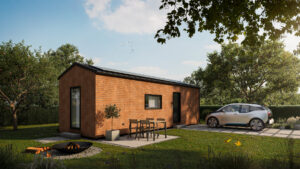
Smaller and non-standard dwellings add a few questions to the land decision, because the home you plan to build affects what is allowed on the block and how the build is funded.
- Is the dwelling permitted? Zoning and local council rules decide what can be built, and whether a second dwelling is allowed. Confirm this before you commit to a block.
- How will the build be funded? Different build types are financed differently. See kit home finance, granny flat finance, modular home financing and relocatable and transportable home finance.
- Are you building it yourself? Owner-builders face extra requirements. See owner-builder finance and owner-builder approvals.
- Is it a movable tiny home? Some tiny homes are not fixed to the land and are financed differently from a house. See tiny home loans.
- Thinking of subdividing? That is a separate project with its own costs; see the cost to subdivide land.
Costs to plan for beyond the purchase price
The price of the block is rarely the full cost of getting it ready. Stamp duty or transfer duty, legal and conveyancing fees, lender fees, any site works, service connections and holding costs such as council rates can all apply, and amounts differ by state and by block. If you plan to build, allow for the build budget too; see how much it costs to build a house and how construction loan interest works.
What to settle before you sign for a block
- Confirm the zoning allows the type of home you want.
- Ask what services are connected and what connection could cost.
- Check whether the block is registered, and when settlement is expected.
- Ask the lender how long you have to start building, and what happens if you do not.
- Check that the repayments are comfortable if the build is delayed.
- Talk to a broker before signing, not after, so the finance fits the contract’s conditions and timing.
Working out how to fund a block?
Little Home Loans provides information and referrals for alternative and non-standard homes, as well as conventional construction. Any finance enquiry is passed to Alpha390 Finance (Five Tees Pty Ltd, ACL 506065), which carries out the licensed credit activity. Tell them what you are planning and they can help work out which finance structure fits the block and the build.
Start your application | Call 1300 391 390 | Contact us
Vacant land loan FAQs
Can I get a loan to buy vacant land?
Yes, though fewer lenders offer it than standard home loans. Terms, deposit expectations and conditions vary by lender and by the block. Approval depends on the lender’s criteria, your serviceability and credit assessment, and is not guaranteed.
How much deposit do I need for vacant land?
Lenders commonly ask for a larger deposit on vacant land than on an established home, because bare land is treated as higher risk. The amount varies by lender, block type and your circumstances, so ask before you sign a contract.
Is a land loan the same as a construction loan?
No. A land loan funds the purchase of the block. A construction loan funds the build and is generally released in stages as work is completed. Some lenders offer a combined facility that covers both, while others arrange them separately.
Do I have to build within a certain time?
Some vacant land loans expect a home to be built within a set period, and policies vary by lender. Ask what the time limit is and what happens if you need longer, before you commit to the loan or the contract.
Can I buy land now and build later?
Often, yes. Many buyers purchase the land first and arrange construction finance later, once designs, approvals and a builder are in place. The later application is assessed on its own, under the lender’s policy and your circumstances at that time.
Can I buy rural or large blocks with a land loan?
Possibly, but fewer lenders will consider large rural or semi-rural blocks, and conditions can be tighter. Size, zoning, access and services all affect what is available, so each block is assessed on its own merits.
Can I put a tiny home or granny flat on vacant land?
It depends on zoning and local council rules, and on how the dwelling is classified. Confirm what is permitted on the block before you buy, and ask how the dwelling itself would be financed, because it may differ from the land loan.
Can I get finance if the land is not yet registered?
Settlement cannot happen until the land is formally registered, and that timing sits with the developer. Because loan approvals expire, a long delay may mean reapplying and being reassessed. Ask how long your approval holds before you sign.
This article is general information only and does not constitute credit or financial advice. It does not take into account your objectives, financial situation or needs. Lender policies on vacant land and non-standard dwellings vary significantly and change over time. Little Home Loans is powered by Alpha390 Finance, which operates under Australian Credit Licence 506065 (Five Tees Pty Ltd). Lending is subject to approval, lending criteria, terms, conditions and fees.
Written and reviewed by the Finance Director at Little Home Loans