Quick answer: A construction loan funds a home as it is built, not in one lump sum. You are approved for the total, but the money is released in stages (progress payments) as each part of the build is finished — slab, frame, lock-up, fit-out and completion. During the build you usually pay interest only on the amount drawn so far, then the loan converts to a normal principal-and-interest home loan once the house is finished. That staged structure is the main thing that makes it different from a standard home loan.
Talk to us about construction finance → · Call 1300 391 390 · Contact us
How a construction loan is different from a standard home loan
A standard home loan hands over the full amount to buy an existing property. A construction loan is built around a home that does not exist yet, so it works differently in three ways:
- The money is released in stages, not all at once.
- You pay interest only on what has been drawn, so repayments start small and grow as the build progresses.
- The lender relies on valuations and inspections at each stage, because they are lending against work as it is completed.
The construction stages (progress payments)
Lenders release funds against standard build stages. A typical schedule:
| Stage | What is done | Rough share of build |
|---|---|---|
| 1. Deposit / slab | Site prep, foundation and slab poured | ~15-20% |
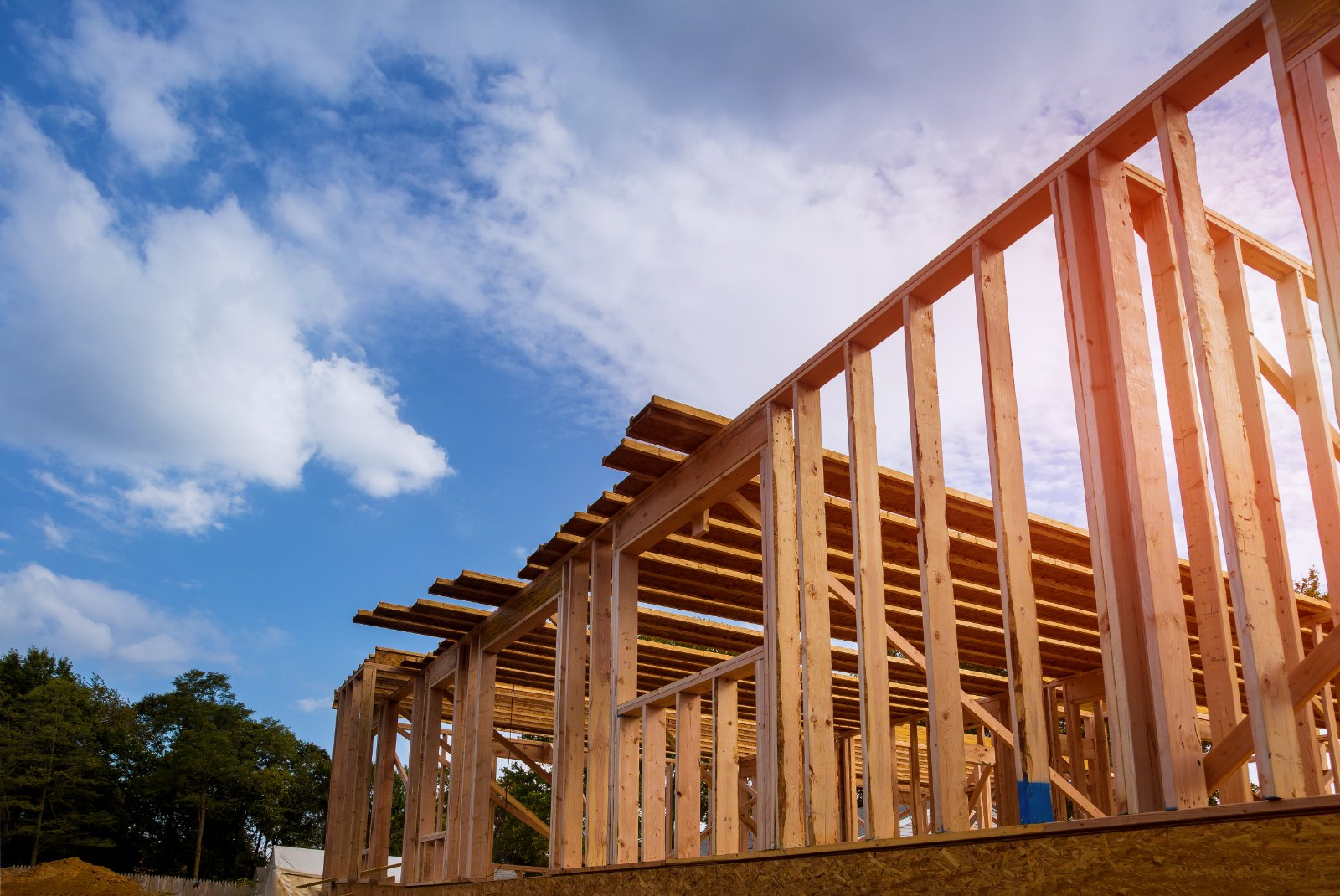
| 2. Frame | Frame built, roof trusses up | ~20% |
| 3. Lock-up | External walls, windows, doors, roof | ~20% |
| 4. Fit-out / fixing | Internal linings, cabinetry, rough-in | ~20% |
| 5. Completion | Final finishes, fixtures, handover | ~15-20% |
At each stage the lender releases the next payment — usually after confirming the work is done. The builder (or you, as an owner-builder) requests the drawdown, and the lender may send a valuer to inspect before paying.
Interest during construction
Because you only draw money as you need it, you are charged interest only on the balance drawn so far during the build. Repayments are smaller early on (only the slab is drawn) and rise as each stage is funded. Once the build is complete, the loan typically converts to a standard principal-and-interest home loan for the remaining term. Building interest-only periods are usually time-limited, so delays in the build can matter — factor a buffer into your budget.
Deposits and valuations
- Deposit — construction lending usually needs a deposit comparable to a normal home loan, but the lender assesses the “on completion” value (land plus the finished build), not just the land. A bigger deposit widens your lender options.
- Valuations — the lender values the project up front (using plans and the fixed-price contract) and again at stages. If a stage valuation comes in short, it can affect the next drawdown.
What lenders want to see
- A fixed-price building contract (for a builder-contracted build) with a clear stage schedule
- Council-approved plans and permits
- Builder details and insurance (or, for owner-builders, your permit and costings)
- Evidence you can service the loan and cover contingencies
- Adequate construction or builder’s insurance
Building it yourself? Owner-managed builds are financed differently — fewer lenders, tighter deposits and more documentation. See our dedicated guide to owner-builder finance.
Construction loans and alternative builds
Construction finance also applies to many modular and prefab homes, though the drawdown structure can change when a big share of the home is built off-site in a factory. If you are building modular, kit or another non-standard home, the stage schedule and lender choice matter even more — talk to us about how your specific build is funded.
Talk to us about construction finance → · Call 1300 391 390
Frequently asked questions
How are construction loans paid out?
In stages called progress payments — typically deposit/slab, frame, lock-up, fit-out and completion. The lender releases each payment as that part of the build is finished, often after an inspection or valuation.
Do you pay interest during construction?
Yes, but only on the amount drawn so far. Repayments start small (only the slab is drawn) and grow as each stage is funded. The loan usually converts to a standard principal-and-interest home loan once the build is complete.
How is a construction loan different from a home loan?
A home loan pays the full amount at settlement for an existing property. A construction loan releases money in stages as the home is built, charges interest only on what is drawn, and relies on staged valuations.
What deposit do I need for a construction loan?
Usually comparable to a standard home loan, but assessed against the “on completion” value of land plus the finished build. A larger deposit gives you more lender options.
Can I get a construction loan to build it myself?
Yes, but owner-builder loans are treated as higher risk — fewer lenders, larger deposits and more paperwork. See our owner-builder finance guide for how that differs.
Written and reviewed by the Finance Director at Little Home Loans.
This article is general information only and does not constitute credit or financial advice. Little Home Loans is powered by Alpha390 Finance, which operates under ACL 506065 (Five Tees Pty Ltd). Lending is subject to approval, lending criteria, terms, conditions and fees. Stage percentages are indicative and vary by lender and build.