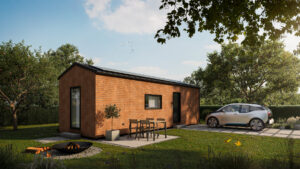
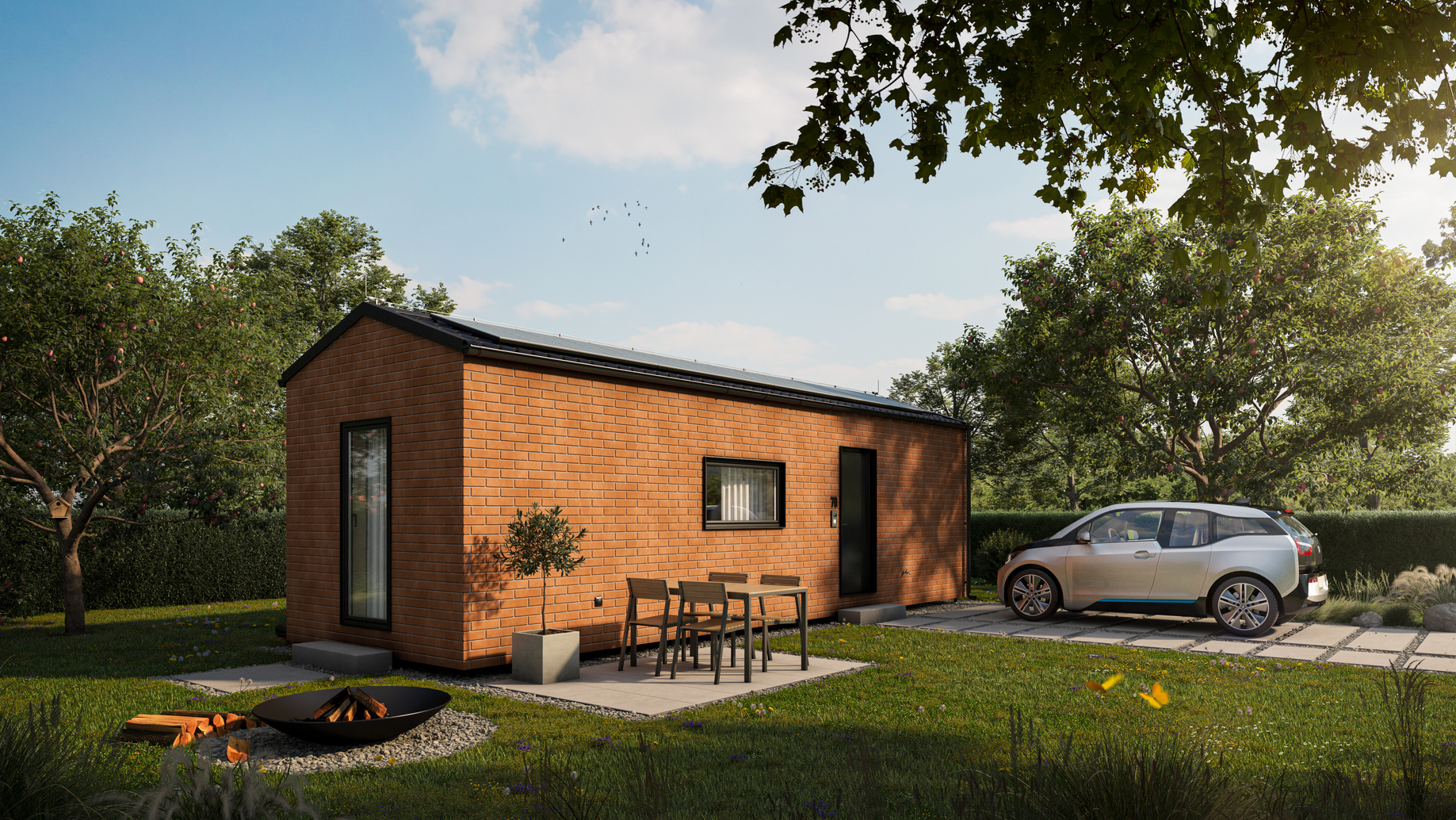
In NSW there is no single set of rules for “a tiny home”. What approval you need depends on what you are actually building or buying: a tiny home on wheels that can be registered as a trailer, a fixed dwelling on a foundation, a granny flat (secondary dwelling) on a block that already has a house, or something placed in a caravan park or similar. This guide explains how those pathways differ according to NSW councils’ published guidance, the questions to ask before you buy, and how finance tends to treat each type. It is general information, not planning, building or legal advice, and your council or a certifier decides what applies to your property. For the national picture see where can you put a tiny home, and for a comparison with another state see tiny homes in Victoria, because rules differ by state and the Victorian size and approval rules do not apply in NSW.
Short answer: what approvals do you need for a tiny home in NSW?
It depends on the type. Councils describe a tiny home on wheels that is registered as a trailer as often needing no development approval, subject to limits on how it can be used. A fixed tiny home generally needs approval, usually through a development application or, for some secondary dwellings, a complying development certificate. Water, sewer and plumbing connections usually need separate council approval. Check your property with the relevant council or a certifier before you commit to buying or building.
Four different things people call a tiny home
| Type | How councils describe it | Approval pathway they describe |
|---|---|---|
| Tiny home on wheels | Built on a trailer and registrable under road transport law, similar to a caravan (Coffs Harbour, Hilltops) | Often no development approval when registered as a trailer, if one of the listed exemptions applies. Use is limited. |
| Fixed tiny house | A small dwelling on piers or footings. Hilltops describes one up to 60 m² as a Class 1a dwelling under the National Construction Code. | Development application, or a complying development certificate where the proposal qualifies (Hilltops). |
| Secondary dwelling (granny flat) | A small second dwelling on a lot that already has a house. Coffs Harbour says a tiny home on a lot with an existing house is assessed as a secondary dwelling. | Depends on zoning and the Housing SEPP. See below. |
| Moveable dwelling in a caravan park or similar | Covered by the NSW regulation for manufactured home estates, caravan parks, camping grounds and moveable dwellings | Site and operator approvals under that framework. |
Do not assume a particular tiny home falls under one of these just because of what the seller calls it. A model that cannot be registered, or that is fixed to the ground, is treated differently from one that can.
Tiny homes on wheels: what councils say about private land
Several councils summarise the same framework. Under the Local Government (Manufactured Home Estates, Caravan Parks, Camping Grounds and Moveable Dwellings) Regulation 2021, a registered tiny home on wheels may not need council development approval where an exemption applies. Examples councils list include:
- Up to two caravans, campervans, tents or similar for short stays, with limits of two consecutive days at a time and 60 days in a 12-month period.
- One caravan or home on wheels for a household member to live in, on land that already has an approved dwelling.
- Seasonal occupation by people employed in farming or pastoral work on that land.
- Temporary housing for someone displaced by a natural disaster, removed within two years.
(Sources: Hilltops Council tiny house guide, last modified 30 November 2023; Snowy Monaro Regional Council; Coffs Harbour City Council fact sheet. Accessed 21 October 2026.)
These are summaries by individual councils, not a statewide ruling, and they do not all say exactly the same thing. Snowy Monaro, for example, says a unit relying on those exemptions cannot be let for long-term rental, and that in some zones a unit may be approved as a moveable dwelling with council consent. Coffs Harbour says current legislation does not allow tiny houses as primary dwellings, while Hilltops says using a tiny home on wheels as a primary dwelling on vacant land is only potentially possible with consent and Building Code compliance. Treat living in a tiny home on wheels as your main home on vacant land as a question to put to the council before you buy, not an assumption.
Fixed tiny homes and secondary dwellings
A fixed tiny home generally needs approval. Hilltops Council says it requires a development application or a complying development certificate, which a private certifier may issue. Coffs Harbour Council says council requires a development application for fixed tiny houses and that only one fixed tiny home is allowed per property.
Many tiny homes on a block with an existing house are assessed as secondary dwellings. Hornsby Council describes the NSW Housing SEPP (State Environmental Planning Policy (Housing) 2021) as setting the requirements for secondary dwellings in residential zones, with a limit of 60 square metres in its residential zones and a different limit in rural zones, and says complying development is available for residential zones where plans meet the SEPP and the Codes SEPP, while other proposals need a development application (Hornsby Council, secondary dwellings, accessed 21 October 2026). Size limits, zoning and local controls vary by property and council, so confirm yours. For granny flat basics see do you need council approval for a granny flat and how big can a granny flat be.
Services, water and sewer
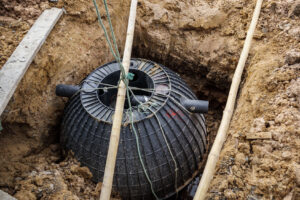
Councils say connecting to town water and sewer needs council approval, and where there is no town sewer an on-site system needs approval. Snowy Monaro says plumbing connections require a section 68 approval under the Local Government Act 1993 and that council does not support hard connections for a moveable dwelling without development approval. Ask your council what applies before you budget for services. Our septic tank cost guide and off-grid tiny home guide explain the on-site options.
Questions to ask the council or a certifier
- What is the zoning of the land, and is a secondary dwelling or moveable dwelling permitted there?
- Can this home be registered as a trailer, and does an exemption apply to how I want to use it?
- If it is fixed, do I need a development application or can it be a complying development?
- Will it be assessed as a secondary dwelling, and what size limit applies on my lot?
- What approvals do I need for water, sewer, electricity and an on-site system?
- Can I rent it out, and for how long?
- Are there bushfire, flood, heritage or other overlays on my property?
Rules also differ for owner-builders. See owner-builder approvals.
How finance treats each type
Finance depends on how the lender classifies what you are buying, and lenders set their own criteria. In general, a fixed dwelling on land you own is usually assessed differently from a home on wheels that is treated more like a vehicle or caravan, and some lenders will not finance certain types at all. The approval pathway can affect this, because a lender may want to see the approvals in place before funds are released. Whether a particular lender will finance your tiny home depends on the lender, the structure, your income and your credit history, and approval is not guaranteed. Our guides explain the options: tiny home loans, how to finance a tiny home, loans for tiny houses on wheels and can you get a loan for a tiny house. For costs, see tiny house cost in Australia.
Frequently asked questions
Do I need council approval for a tiny home in NSW?
It depends on the type. Councils describe a registered tiny home on wheels as often not needing development approval if an exemption applies, while a fixed tiny home generally needs a development application or a complying development certificate. Check your property with the council.
Can I live in a tiny home on wheels in NSW?
Councils describe limited circumstances, such as one household member living in a caravan or home on wheels on land with an approved dwelling. Living in one as a main home on vacant land is not generally allowed without consent. Ask your council.
Is a tiny home a granny flat in NSW?
A tiny home on a lot with an existing house may be assessed as a secondary dwelling, which brings in the Housing SEPP and local controls. Size limits and approval pathways depend on zoning and the property.
Are the rules the same as Victoria?
No. Each state has its own planning and building rules, and we do not apply the Victorian rules to NSW. See our Victoria guide for that state.
Can I get finance for a tiny home in NSW?
Often it is possible, but it depends on the type of home, the lender’s criteria and your circumstances. A broker can check which lenders suit your plan.
Who decides what applies to my property?
Your local council or a private certifier. Rules vary by council and property and change over time.
This article is general information only and does not constitute credit, financial, legal, building or planning advice. Rules and fees vary by council and property and change over time; confirm current requirements with your council or a certifier. Lending is subject to approval, lending criteria, terms, conditions and fees. Little Home Loans is powered by Alpha390 Finance, which operates under ACL 506065 (Five Tees Pty Ltd).
Written and reviewed by the Finance Director at Little Home Loans. Sources: Hilltops Council; Snowy Monaro Regional Council; Coffs Harbour City Council; Hornsby Council. Accessed 21 October 2026.
Questions about financing a tiny or alternative home? Call 1300 391 390 or speak to a broker.