An off-grid tiny home sounds simple: solar on the roof, a tank for water and a toilet system that looks after itself. In practice, the home is only one part of the project. You also need a way to power it, a way to supply and store water, a lawful way to deal with waste, and somewhere you are allowed to put it. This guide covers those four areas in the order most people need to answer them. It is general information, and rules differ by state and council. For finance, see the guides linked near the end rather than this page.
What does off-grid actually mean?
Off-grid is not one thing. A home can be fully off-grid for power, water and waste, or only partly. Many owners choose a hybrid, for example solar and a battery with a grid connection as backup, or town water with an on-site wastewater system. Decide which parts you want to be independent, because each one brings its own approvals, installers and costs.
Off-grid does not mean unregulated. A tiny home on wheels and a tiny home fixed to the land are treated differently, and the rules that apply to the land, the building and the plumbing still apply.
Planning comes first
Before you buy a home or a system, find out whether you can lawfully place and live in it where you plan to. The Queensland Government says tiny homes are not specifically defined in its planning framework. Its guidance distinguishes temporary-use tiny homes from permanent accommodation. A tiny home that may be on wheels, is intended only for temporary accommodation and is not connected to services can be treated as a caravan rather than a dwelling, with local laws potentially applying. A tiny home used for permanent onsite accommodation can be treated differently, and planning, building and plumbing requirements may apply depending on its use and configuration. Local councils administer the planning scheme and set the rules for caravans and temporary living under their local laws.
Councils in other states say similar things in their own terms. Fraser Coast Regional Council (QLD) says a tiny house is treated as a building once it is fixed, for example to footings or to water or sewer connections. Shoalhaven City Council (NSW) says use of a moveable dwelling generally requires development consent and usually separate approval to install it, although specific exemptions can apply. Yarra Ranges Council (Vic) says tiny houses are not exempt from planning controls and that many properties have overlays such as bushfire or flooding. For land, lease and placement questions, see where can you put a tiny home.
Power
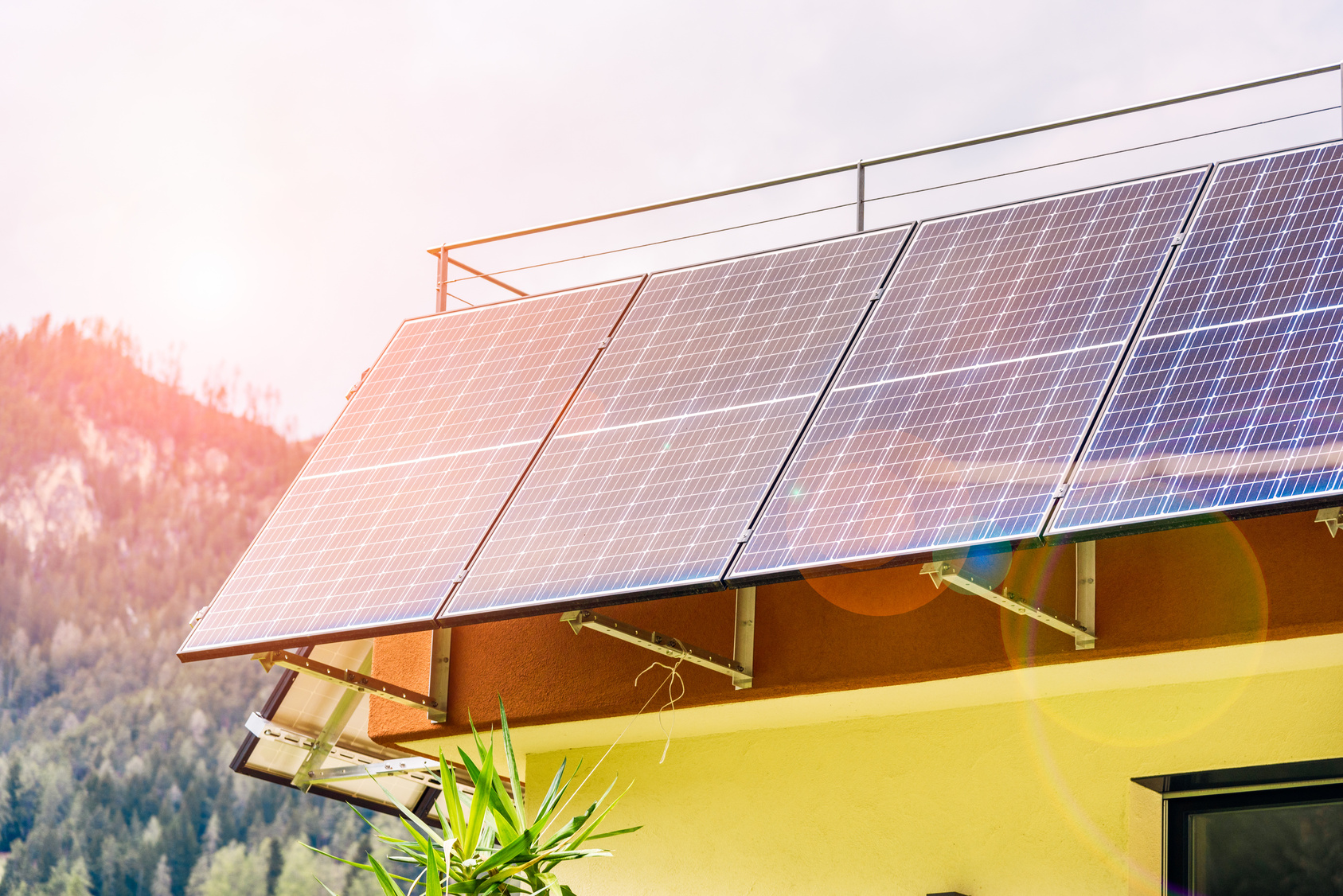
Most off-grid tiny homes combine solar panels, a battery and an inverter, sometimes with a generator or gas for backup. Before choosing hardware, do an energy audit:
- List everything you will run, including fridge, lighting, water pump, devices, cooking, heating and cooling.
- Work out how much each uses and for how many hours a day.
- Identify your peak load, meaning the most you will run at once, because it affects the inverter you need.
- Decide how many days you want the system to cope without much sun.
A designer or installer can turn that list into a system. Avoid copying someone else’s system size, because loads, climate and roof space differ.
Installers and standards. For solar or battery systems intended to qualify for Small-scale Technology Certificates under the federal scheme, the Clean Energy Regulator requires relevant Solar Accreditation Australia accreditation and licensing requirements to be met, and installers must be accredited for the installation type, either off-grid or on-grid. State and territory electrical requirements still apply. STC-eligible solar products must also meet the applicable approved-product requirements. That pathway is specific to the certificate scheme and is not the only rule that can apply to an off-grid system, so ask any installer for their accreditation and licence details and check what your state requires.
Water
Common sources are rainwater from the roof, a bore or dam, or delivered water stored in a tank. Think about three things: collection, storage and treatment.
- Collection and storage. Roof area, rainfall and tank size determine how much you can rely on. Plan for dry spells.
- Rules. In Queensland, the Queensland Development Code makes rainwater tanks mandatory for new houses only in local government areas that have opted in, and says installation is voluntary elsewhere. Where a tank is required, the Code sets minimum standards. Installation is typically by a licensed plumber and assessed with the building and plumbing applications. Other states have their own rules.
- Drinking water. If you plan to drink tank or bore water, ask your council or state health authority what treatment and testing it expects.
Waste
Wastewater is where many off-grid plans meet the most regulation. A tiny home on wheels that is not connected to services may avoid some building rules, but Fraser Coast Regional Council says a moveable home cannot be permanently connected to water, sewer or an on-site wastewater system without being treated as a fixed building. Plumbing approval from council is required for any connection to water, sewerage or wastewater treatment systems.
Sunshine Coast Council provides one Queensland example of how on-site sewerage is regulated:
- All on-site sewerage facilities need a plumbing permit from council before installation.
- A licensed site and soil evaluator assesses the property before a system is chosen, and a licensed drainage contractor installs it.
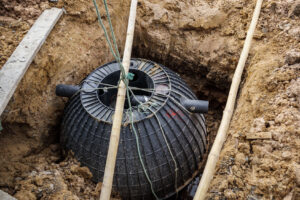
- Common system types include septic systems, waterless composting toilets, aerated wastewater treatment systems and holding tanks with pump-out.
- The required treatment level depends on factors such as soil type, property size and slope, water quantity and proximity to waterways.
- Owners must keep the system maintained, and a service agreement may be needed.
Other states and councils have their own approval processes. In NSW, for example, Shoalhaven City Council says exemptions from some approvals do not remove the need for approval to operate an on-site sewage management system on unsewered land. Always check with your local council before you buy a composting toilet or any treatment system.
Site factors that catch people out
- Bushfire. Fraser Coast Regional Council lists non-compliance with AS 3959 in bushfire-prone areas as a common gap in tiny houses on the market.
- Flood and other overlays. Yarra Ranges Council notes overlays for bushfire, flooding, erosion, landslip, environmental and heritage can complicate approval.
- Soil, slope and distance to waterways, which affect wastewater options.
- Access, for delivery of the home and for servicing tanks and systems.
- Compliance gaps in the home itself. Fraser Coast Regional Council says many tiny houses on the market do not meet Queensland building and plumbing requirements without significant extra work, for example missing structural, energy or waterproofing documentation, or plumbing that was not done by a licensed plumber.
Off-grid setup checklist
| Area | Question to answer | Who to ask |
|---|---|---|
| Planning | Can I place and live in this home on this land? | Local council planning team |
| Building | Is the home treated as a vehicle or a building, and does it comply? | Council or a licensed certifier |
| Power | What do I need to run, and what system covers it? | Accredited designer or installer |
| Water | Where does water come from, and how is it stored and treated? | Licensed plumber and council |
| Waste | What system is allowed on my soil and lot, and what permit is needed? | Council and licensed evaluator and drainage contractor |
| Site | Are there bushfire, flood or access constraints? | Council overlay maps and site inspection |
What drives the cost
We do not quote national figures here, because they vary too much with the home, the site and the systems you choose. The main cost drivers are the size and complexity of your power needs, battery capacity, water storage and treatment, the type of wastewater system and the soil it must suit, delivery and site works, and any approvals, certification or compliance upgrades. For the home itself, see how much a tiny house costs in Australia.
Where finance fits
This page deliberately stays on setup and planning. Whether off-grid systems can be funded, and how a lender treats a home on wheels compared with a fixed home, depends on the lender and how the home and systems are classified. Our finance guides cover that in detail:
- Off-grid home loans for financing an off-grid home
- Loans for off-grid systems for solar, batteries and water systems
- Off-grid living solutions for an overview
- How to finance a tiny home for the general process
- Houses on wheels loans if your tiny home is on a trailer
Questions to ask before you buy
- Is the home on wheels or fixed, and how will my council treat it?
- Can I get written confirmation from council of what is allowed on my block?
- Does the home come with the compliance documents my certifier will need?
- Who will design, install and certify the power, water and waste systems?
- What servicing will each system need, and who does it?
Frequently asked questions
Is it legal to live in an off-grid tiny home in Australia?
It can be, but it depends on your state, council, the land and whether the home is fixed or on wheels. Being off-grid does not remove planning, building or plumbing requirements. Confirm with your council before you buy.
Do I need council approval for an off-grid tiny home?
It depends on the home, the land and how it will be used. Planning, building, plumbing or local-law approvals may apply, so confirm the requirements for your property with the relevant council before buying or installing the home.
What power system does an off-grid tiny home need?
That depends on what you run and when. Most use solar, a battery and an inverter, sometimes with backup generation. Do an energy audit and use an accredited designer or installer rather than copying another home’s system.
How do I deal with wastewater off-grid?
Options include septic systems, aerated treatment systems, composting toilets and holding tanks, depending on your soil, lot and council. Sunshine Coast Council, for example, requires a council plumbing permit plus a licensed evaluator and installer. Rules differ by council and state, so check your local rules first.
Can I finance an off-grid tiny home?
Possibly, subject to lender criteria. How a lender treats an off-grid home, a home on wheels or separate systems varies. See our off-grid finance guides above for how it works, and speak to us about your situation.
Are tiny homes on wheels exempt from building rules?
Not in every case. Queensland Government guidance distinguishes temporary-use tiny homes from permanent accommodation. A tiny home that may be on wheels, is intended only for temporary accommodation and is not connected to services can be treated as a caravan rather than a dwelling, while one used for permanent onsite accommodation can be treated differently. Councils also note that connecting a moveable home permanently to water, sewer or wastewater systems can make it a fixed building. Check with your council.
This article is general information only and does not constitute credit, financial, legal, building, planning or electrical advice. Planning, building, plumbing and electrical requirements vary by state, council and property, and change over time; confirm current requirements with your local council, a certifier and licensed tradespeople. Lending is subject to approval, lending criteria, terms, conditions and fees. Little Home Loans is powered by Alpha390 Finance, which operates under ACL 506065 (Five Tees Pty Ltd).
Written and reviewed by the Finance Director at Little Home Loans.
Sources: Queensland Government, Tiny homes (Planning); Fraser Coast Regional Council, Tiny houses; Shoalhaven City Council, Tiny Houses and Camping Grounds; Yarra Ranges Council, Tiny Houses; Business Queensland, Water supply systems; Sunshine Coast Council, On-site treatment and greywater; Clean Energy Regulator, Rooftop solar installers and designers. Accessed 14 October 2026.
Questions about financing an off-grid or tiny home? Call 1300 391 390 or speak to a broker.