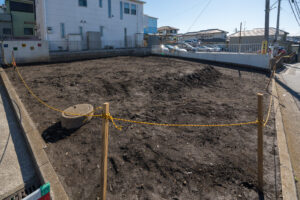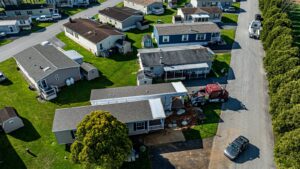
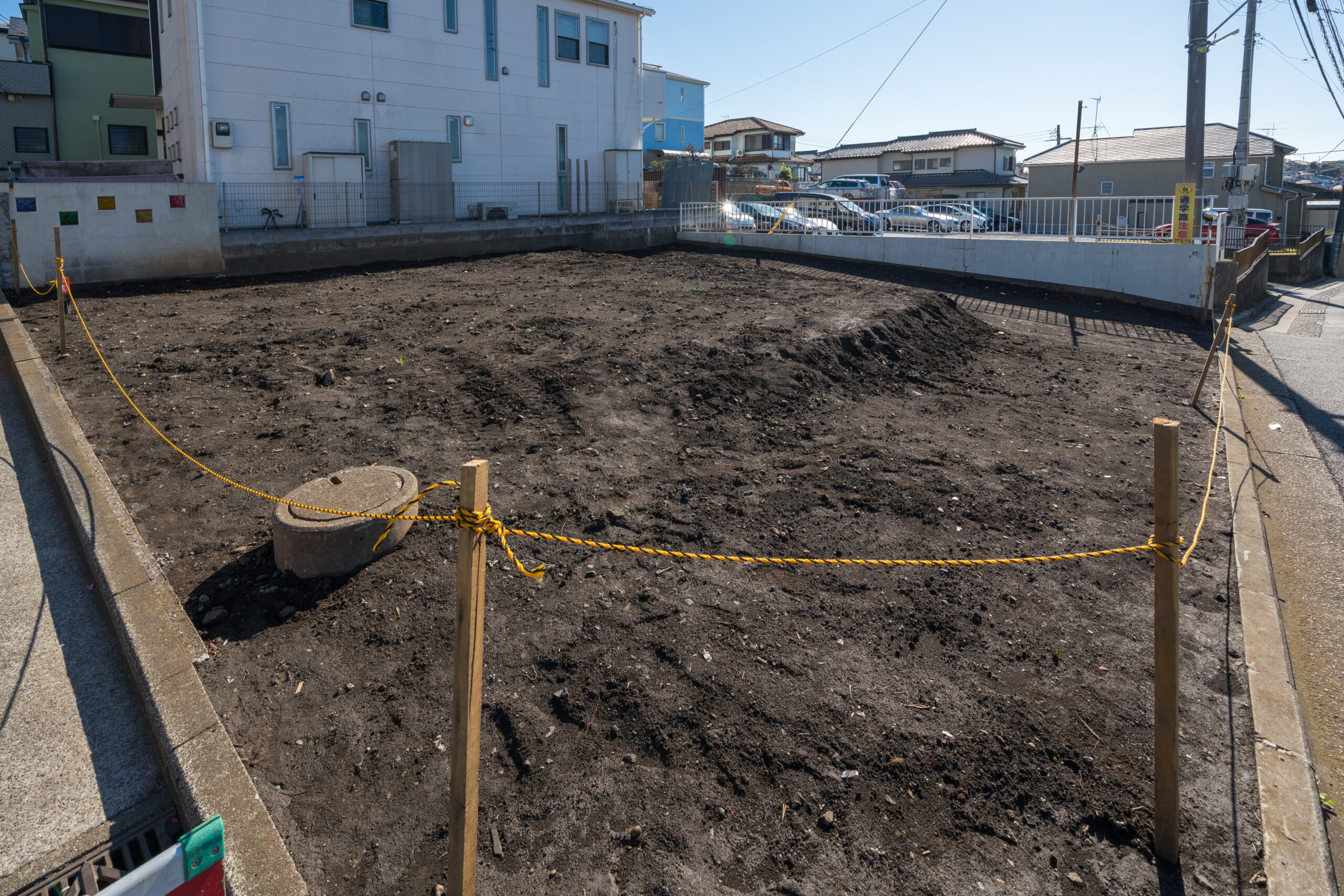
Before anyone can design a slab, stumps or piers for a granny flat or a small home, someone has to find out what the ground is made of. That is the soil test, more formally a site classification, and it is one of the cheapest reports in a build that can change the cost of everything that sits on it. This guide sets out published Australian soil test prices from named sources, what a standard report includes, what the AS 2870 site classes mean, how the result can affect footing costs, and where prefabricated and transportable homes fit in. It is a budgeting guide, not a quote, and Little Home Loans does not carry out soil testing. For the wider build budget, see our granny flat cost guide.
Short answer: how much does a soil test cost?
Published prices for a standard residential soil test and site classification mostly start between about $400 and $1,000, before extras. Melbourne firm Smolders Geotechnical lists a standard residential test from $500 to $800 plus GST; Sydney firm SF Geo lists ancillary residential work, including granny flats, from $800 plus GST; and Perth firm Resolute Geo lists $325 plus GST for a Class A site and $915 plus GST for other classes. Bundled soil test and site survey packages for portable homes are listed at $800 to $1,800. Difficult sites cost more.
Published soil test prices, by source
| Source | Date shown | What it lists |
|---|---|---|
| Smolders Geotechnical, soil test cost (Melbourne and regional Victoria) | Updated 10 August 2026 | Standard residential from $500 to $800 plus GST, usually 2 to 3 boreholes to about 1.5 to 1.8 m, with a site classification to AS 2870 and footing recommendations. Footing probes from $200 plus GST. |
| SF Geo, site classification and soil test (Sydney) | No date shown | Ancillary residential, including granny flats and small additions, from $800 plus GST; standard residential from $1,000 plus GST; complex sites by quote. Says a new granny flat usually needs an AS 2870 classification. |
| Resolute Geo, FAQ (Perth) | No date shown | $325 plus GST for a Class A site, $915 plus GST for other classes, Class P on application. |
| NW Geotechnical, soil test cost (Bendigo and Geelong) | July 2025 | Basic residential typically from $500 to $600 plus GST, 1 to 3 boreholes to 1.8 m, aimed at small projects such as sheds, carports and small extensions. |
| Elite Portables, preparing your site for a portable home (Queensland seller) | Published 22 January 2026 | Soil test and site survey $800 to $1,800, depending on terrain. |
These are geotechnical firms and a portable-building seller quoting their own prices or estimates, so they are not an Australian average. Each covers a different city, date and scope, and GST treatment differs, so keep each source’s wording in mind when comparing quotes.
What a standard soil test report includes
- Boreholes. Usually two or three holes drilled to around 1.5 to 1.8 metres, deeper where the site needs it.
- A soil profile and borehole logs. What was found at each depth.
- A site classification to AS 2870. The class that the slab or footing designer works from.
- Footing recommendations. Guidance for the engineer or builder on footing type and depth.
A separate site survey covers levels, contours and slope. Some suppliers bundle the two, as in the portable-home example above. A wind rating is a separate assessment again; Queensland’s building regulator lists a site wind speed assessment alongside a soil test for prefabricated homes (see below).
AS 2870 site classes in plain English
| Class | Meaning | Characteristic surface movement |
|---|---|---|
| A | Mostly sand and rock, with little or no ground movement | Not stated |
| S | Slightly reactive clay | 0 to 20 mm |
| M | Moderately reactive clay or silt | 20 to 40 mm |
| H1 | Highly reactive clay | 40 to 60 mm |
| H2 | Very highly reactive clay | 60 to 75 mm |
| E | Extremely reactive clay | More than 75 mm |
| P | Problem sites, such as soft or loose soils or abnormal moisture | Not stated |
Source: Intrax Consulting Group, site classification FAQs (modified 13 May 2025). “Reactive” means the clay swells when wet and shrinks when dry, which moves whatever sits on it.
How the soil class can change your build cost
The test itself is a small line item; the result is what moves the budget. Intrax says very reactive and problem sites, such as Class H1, H2, E or P, are likely to increase site costs and often need a structural engineer plus extra beams and piers. iBuild describes stiffened raft slabs for M sites, deeper beams or waffle slabs for H sites, and says raised foundations are strongly recommended on E sites. None of these sources puts a dollar figure on the difference, so ask your builder or engineer to price the footing design once the class is known. Our concrete slab cost guide covers published slab prices.
When is a soil test needed?
Requirements depend on the project, the state and your building certifier, so confirm with them. Some examples:
- Victoria. Consumer Affairs Victoria says a builder must get foundation data, based on soil tests, before you sign the building contract (last updated 8 July 2025). The City of Monash says a soil report is a requirement of a building permit for a new house, extension or significant structural change.
- Western Australia. A WA Government fact sheet on site considerations says site investigations should be carried out before entering into a building contract.
- Queensland. Site classification is licensed work: the QBCC issues a site classifier licence for classifying building sites from site and laboratory data.
- NSW. NSW Planning’s granny flat page (updated 23 March 2026) does not mention soil tests, but Sydney geotechnical firm SF Geo says a new granny flat usually needs an AS 2870 classification. Ask your certifier what your approval pathway requires.
For the approvals side of a backyard build, see do you need council approval for a granny flat.
Prefab, transportable and tiny homes
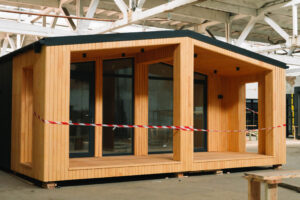
A home built in a factory still needs ground to sit on. The QBCC’s fact sheet on prefabricated homes (effective November 2025) lists a soil test in accordance with AS 2870 and AS 1289, as applicable, and a site wind speed assessment among the things it is important to have when considering a prefabricated home. Portable-home seller Elite Portables says the soil report tells the footings installer how deep the stumps or piers must go. Tiny homes on wheels are treated differently: a WA Planning Commission fact sheet says a tiny house on wheels does not require a building permit, but once the wheels are removed it becomes a building and will generally require one. See where you can put a tiny home and relocatable and transportable home finance.
How long does a soil test take?
Published turnaround times vary. SF Geo says reports can be issued as soon as two business days after fieldwork; Smolders says fieldwork is usually two to six business days after a quote is accepted, with the report a few business days later; and Resolute Geo says about one to two weeks from booking in Perth metro. Lab testing can add time. Book the test early, because the slab or footing design waits on it.
Where a soil test fits in your finance
A soil test is often one of the first costs on a new build, and the result can change the footing budget before construction starts. Build it into your early budget alongside the survey, approvals and site works, and allow a margin until the class is known. On a sloping or reactive block, also consider retaining wall cost, and on an unsewered block septic tank cost and water tank cost. If you are buying land first, see vacant land loans; for the build, compare granny flat finance, land and construction loans and tiny home loans. Lending is subject to approval and criteria vary by lender.
Questions to ask before you book a soil test
- Does the price include the AS 2870 classification report and footing recommendations?
- How many boreholes, and to what depth?
- Is the price with or without GST, and are travel or difficult-access fees extra?
- Does the report suit my building type, whether a slab, stumps, piers or a transportable home?
- Will my certifier also need a site survey or wind rating, and who provides them?
- How long until I receive the report?
Other cost guides: concrete slab cost, water tank cost, septic tank cost and cost to build a house.
Frequently asked questions
How much is a soil test for a granny flat?
Published prices vary by city. SF Geo in Sydney lists ancillary residential work, including granny flats, from $800 plus GST, and Smolders in Melbourne lists standard residential tests from $500 to $800 plus GST. Difficult sites cost more.
What does a soil test tell you?
It tells the designer how reactive or stable the ground is, as an AS 2870 site class from A to P, with footing recommendations. The class guides the slab or footing design.
What is a Class M site?
Class M is moderately reactive clay or silt, with characteristic surface movement of 20 to 40 mm according to Intrax. It usually needs a slab or footing designed for that movement.
Do I need a soil test for a transportable home?
Often, yes. The QBCC lists a soil test to AS 2870 and AS 1289, as applicable, among the things to have when considering a prefabricated home in Queensland. Check with your certifier.
Does a bad soil result stop me building?
Not usually, but it can add cost. Reactive and problem sites often need an engineer and stronger or deeper footings, which should be priced before you commit.
Does Little Home Loans do soil tests?
No. Little Home Loans does not carry out soil testing or recommend geotechnical firms. Use the figures in this guide to compare written quotes.
This article is general information only and does not constitute credit, financial, building, engineering or legal advice. Prices are published examples from the sources named and are not quotes; actual costs depend on your site, location and the firm. Building requirements vary by state, council and project; confirm with your certifier. Lending is subject to approval, lending criteria, terms, conditions and fees. Little Home Loans is powered by Alpha390 Finance, which operates under ACL 506065 (Five Tees Pty Ltd).
Sources: Smolders Geotechnical, how much does a soil test cost (updated 10 August 2026); SF Geo, site classification and soil test Sydney (no date shown); Resolute Geo, FAQ (no date shown); NW Geotechnical, how much does a soil test cost (July 2025); Elite Portables, preparing your site for a portable home (22 January 2026); Intrax, site classification FAQs (modified 13 May 2025); iBuild, soil types and site classes (modified 6 June 2025); Consumer Affairs Victoria, foundations (last updated 8 July 2025); City of Monash, soil investigation (no date shown); WA Government, site considerations; QBCC, site classifier; QBCC, considerations for Class 1a prefabricated homes (effective November 2025); WA Planning Commission, tiny houses fact sheet (5 December 2024); NSW Planning, granny flats (updated 23 March 2026). All accessed 23 November 2026.
Written and reviewed by the Finance Director at Little Home Loans.
Planning a granny flat, tiny home or transportable build? Call 1300 391 390 or speak to a broker.