Building your own sanctuary with kit homes Australia shouldn’t feel like a constant battle against a bank’s “no” pile. While it’s easy to fall in love with a floor plan, the right loan structure is often more vital to your success than the steel frame itself. You probably already feel the frustration of traditional banks rejecting anything that isn’t a cookie-cutter build. It’s a common hurdle that leaves many aspiring homeowners feeling stuck before they even navigate the initial permit fees and regulatory hurdles.
At Little Home Loans, we’re here to help you unlock those possibilities with a clear, supportive roadmap. You’ll learn how to manage the entire process, from selecting a design that meets the National Construction Code 2025 standards to securing specialised finance that understands unconventional builds. This guide explores the total costs of your project, including how to access First Home Owner Grants available nationally and what the current 6.65% average variable interest rate means for your budget. We’ll give you the confidence to move from planning to move-in day with a partner who values your unique vision.
Key Takeaways
- Learn how to assess your land’s slope and BAL ratings to ensure your chosen floor plan is both functional and compliant with your state’s building regulations.
- Discover why traditional lenders often hesitate and how to secure tailored funding for kit homes australia through specialised loan solutions that fit your unique project.
- Navigate the legalities of the owner-builder process, including the mandatory QBCC requirements and council approval steps needed to start your build with confidence.
- Gain a clear roadmap from the initial design phase to the final move-in, ensuring you understand the total project costs and site preparation requirements.
- Experience a streamlined path to your dream home with a supportive approach that demystifies complex finance and gets you on-site faster.
What are Kit Homes and Why are They Trending in Australia?
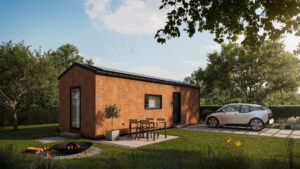
Australians are rethinking how they build. As traditional construction costs climb, with material prices like PVC rising approximately 30% in 2025, many are looking for smarter, more flexible alternatives. A kit home is a prefabricated housing solution where the primary components are manufactured in a factory and delivered to your site for assembly. Unlike a finished modular home that arrives in large sections, you or your builder put these components together on your land. To understand the history and global context of this method, you can explore What are kit homes? to see how they’ve evolved into the sophisticated systems used today.
The trend toward kit homes australia is driven by more than just initial savings; it’s about taking back control. According to November 2025 data from ModularSales, these builds are often completed 20-40% faster than traditional masonry houses. This speed is a game changer if you’re wanting to escape the rental cycle or move onto your land sooner. While a house modular home arrives almost complete and a tiny house on wheels is designed for mobility, a kit home offers a permanent, highly customisable foundation for your future. If you’re also exploring precision-engineered alternatives, our guide to fabricated house options in Australia covers how modern prefab construction compares and what finance solutions are available.
Steel vs. Timber: Choosing Your Frame
Your frame is the skeleton of your home, and in Queensland’s climate, the choice is critical. BlueScope steel frames are the gold standard for Australian conditions. They offer superior resistance to termites and fire, which can lead to lower long-term maintenance and insurance premiums. While timber frames provide a traditional feel and can be easier for some owner-builders to modify during the build, steel remains the top choice for durability. Making the right choice here ensures your home stands up to the elements for decades.
The Lifestyle Appeal of Minimalist Living
Choosing a kit home often aligns with a desire for a simpler, more intentional life. These designs allow you to reduce your environmental footprint without giving up architectural style or comfort. They’re particularly popular in regional or rural areas where finding a traditional builder is often a struggle due to labour shortages. By managing the project yourself, you can facilitate a smoother transition to an off-grid or sustainable lifestyle. It’s about unlocking the freedom to live exactly where you want, on your own terms.
What kit homes cost in Australia (indicative)
| Kit type / size | Indicative kit price* | Notes |
|---|---|---|
| Small 1–2 bedroom | ~$30,000–$70,000 | Cabins, secondary dwellings, granny-flat scale |
| Mid 3 bedroom | ~$70,000–$150,000 | Most popular family kit range |
| Large / architectural | $150,000–$300,000+ | Bigger footprints, higher-spec finishes |
*Kit price only — the delivered components. Expect the kit to be roughly 30–50% of the turnkey cost once you add site works, foundations, connections and internal fit-out.
How to Choose Your Kit Home: A 5-Step Selection Guide
Selecting the right package for kit homes australia is about more than just picking a pretty facade. It starts with your land. A steep slope or reactive clay soil in regional Australia can drastically change your foundation requirements. You need to know your site’s specific constraints before you sign a contract. Once you’ve established what the land allows, focus on a floor plan that serves your life today and ten years from now. Think about flexible spaces that can transition from a home office to a guest room as your needs evolve.
Balancing your dream with your budget requires a realistic look at customisation. While most suppliers offer standard kits to keep costs low, many allow you to tweak layouts. Every change adds to the bottom line. You must also scrutinise the inclusions list. Does the kit include the internal doors, or just the shell? Many first-time builders are surprised to find they need to source plasterboard or electrical components locally. Choosing a supplier with local Australian manufacturing ensures that your warranty is enforceable and support is just a phone call away. If you’re feeling overwhelmed by the technicalities, exploring your finance options early can help clarify exactly what your budget can handle.
Understanding BAL Ratings and Bushfire Safety
A Bushfire Attack Level (BAL) rating is a mandatory assessment for any new build in Australia. It measures a building’s potential exposure to ember attack, radiant heat, and direct flame contact. If your land is in a high-risk zone, your kit must use specific materials like non-combustible steel frames or fire-rated cladding. While building to a higher BAL rating adds to your initial investment, it’s a non-negotiable step for safety and insurance. Before you commit, ensure you understand the requirements for a Queensland owner-builder permit, as this legal step is essential for managing your own project.
Cladding and Finishings: The Aesthetics
Your choice of cladding defines the character of your home. HardiePlank remains a staple for its durability, but many modern Aussie builds now use architectural metals for a sleek, contemporary look. These materials need to withstand the harsh Australian sun and high humidity levels found in the Australian climate. For owner-builders, the ease of installation is a major factor. Lightweight cladding options can save you thousands in labour costs and specialised equipment hire while still providing excellent kerb appeal.
Financing Your Build: How to Fund Kit Homes in Australia
Securing funding for kit homes australia requires a shift in how you view borrowing. Traditional banks often hesitate because they prefer the security of a completed, standard house. When you buy a kit, you’re paying for a delivery of materials before they’re even assembled on your land. This creates a security gap that many big lenders won’t touch. To bridge this, you need to structure your finance to cover both the upfront kit purchase and the essential site works like excavation, plumbing, and electrical. A chattel mortgage is a specific financial tool where the lender takes security over a movable or modular asset while you maintain ownership. If you’re also considering a fully factory-built option, our guide to financing a house modular home in Australia explains how specialised lenders approach factory progress payments differently from traditional banks.
This section covers how kit homes are funded in general. If you are ready to look at lender options and loan structures, our kit home finance page explains how finance for a kit home is assessed.
Don’t sign a contract with a supplier until you have pre-approval in hand. With average variable interest rates sitting around 6.65% as of April 2026, knowing your exact borrowing capacity helps you negotiate with confidence. It also ensures you aren’t left with a delivery of steel and no funds to pay the tradespeople. Pre-approval turns your “maybe” into a concrete plan, allowing you to lock in your design and start the council approval process without financial stress.
Personal Loans vs. Construction Loans
For many owner-builders, a high-limit personal loan is the fastest path to getting started. Traditional construction loans work on progressive draw-downs, but these are almost always tied to a licensed builder’s milestones. If you’re managing the build yourself, these rigid structures can cause significant delays and cash flow issues. We specialise in finding flexible solutions that work for unique housing projects, making sure the money is available exactly when your materials arrive on-site.
The Alpha390 Partnership Advantage
Our referral partnership with Alpha390 gives you access to a broader panel of lenders who actually understand and validate alternative housing choices. This expertise saves you time and significantly reduces the risk of a credit rejection that could damage your financial standing. We can also help you tailor your finance to include off-grid solar and sustainable infrastructure from the very beginning. This ensures your dream home isn’t just affordable to build, but also incredibly cost-effective to run for years to come.
The Owner-Builder Roadmap: Council, Permits, and Site Prep
Taking the leap into owner-building means stepping into the role of a project manager. You’ll need to manage the Development Application (DA) process or seek a Complying Development Certificate (CDC) to ensure your home meets local planning rules. This is where your chosen supplier for kit homes australia becomes your best ally. They provide the site-specific drawings and engineering certifications required by your local council. Before any dirt is moved, you must obtain an owner-builder permit from the QBCC if your project value exceeds A$11,000. This involves completing a mandatory course, typically costing between A$150 and A$300, and paying the A$477.47 application fee as of July 1, 2025.
Owner-builder permits by state (indicative — confirm current figures)
| State | Authority | Permit typically needed above |
|---|---|---|
| QLD | QBCC | ~$11,000 |
| NSW | NSW Fair Trading | ~$10,000 |
| VIC | Victorian Building Authority | ~$16,000 |
| WA | Building Commission (DMIRS) | ~$20,000 |
| SA | Consumer & Business Services | ~$12,000 |
Thresholds and course requirements change — always confirm the current figure and process with your state’s building authority before you start.
Coordinating trades is the heartbeat of your project. You’ll need to book your plumber and sparkie well in advance of your kit’s arrival. They need to lay the ‘rough-in’ infrastructure before your slab is poured or your floor system is finalised. Managing these timelines prevents expensive delays and ensures that when the truck rolls in, your site is ready for action. If the logistics feel daunting, securing your finance early gives you the breathing room to hire quality consultants who can guide you through these technical hurdles.
Essential Documentation for Council
Council won’t just take your word for it; they require a stack of technical documents. This includes energy efficiency reports, often using the NatHERS rating system, to prove your home stays cool in the Queensland heat. Your kit supplier must provide engineering certifications that match your specific block, not just a generic design. It is vital to remember that owner-builders in Queensland are not covered by the Queensland Home Warranty Scheme. You’ll need to arrange your own construction and public liability insurance to protect your investment throughout the build.
Site Preparation and Foundation Basics
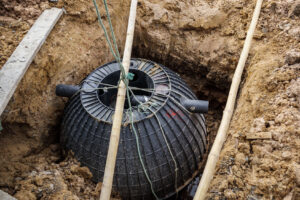
Your foundation choice often comes down to a battle between a slab on ground or an elevated flooring system. Slabs are common for flat blocks, but if you’re building on a slope, an elevated system can save you a fortune in earthworks. Don’t overlook site access; those heavy delivery trucks need a clear, stable path to drop off your kit components. Hidden costs often lurk in utility connections, especially if your block is set back from the road. Budgeting for these ‘below ground’ expenses early prevents nasty surprises once construction begins.
Making it Simple: Why Finance with Little Home Loans?
Traditional banks love to tick boxes. If your project doesn’t fit a standard mortgage template, you’re usually left without a clear path forward. At Little Home Loans, we specialise in the “too hard” basket that big banks often avoid. We understand that kit homes australia represent a strategic and savvy choice for modern homeowners. Our “Finance Made Simple” approach is designed to cut through the red tape and clinical atmosphere of traditional lending. We want to get you on-site faster, with a loan structure that actually makes sense for your specific build and financial situation.
We don’t just see a loan application; we see your dream of a unique, minimalist lifestyle. Our team offers dedicated, boutique-style support that larger institutions simply can’t match. This national expertise means we’re ready to help you, whether you’re building in the Gold Coast hinterland or a remote corner of Western Australia. We’ve built our reputation on being a modern enabler for those who choose the path less travelled. We validate your unconventional housing choices because we believe everyone deserves a home that fits their lifestyle perfectly.
Beyond the Build: Financing Your Off-Grid Dream
Achieving true energy independence is a core goal for many kit home builders in 2026. We can help you bundle high-quality solar power systems and battery storage directly into your finance package from the start. This tailored approach ensures your sustainable infrastructure is funded alongside your home, rather than being an expensive afterthought. We support the lifestyle you’re building, not just the physical structure. It’s about ensuring your home is as efficient and off-grid ready as you imagined, helping you save on utility costs from the moment you move in.
Your Next Steps to Success
Taking the first step toward your new home is easy and stress-free. You can request a quote and start the pre-approval process today to see exactly what’s possible for your budget. Having a dedicated finance guide is invaluable in an unconventional market where lending criteria can be complex. We act as your knowledgeable friend, providing the professional connections and technical know-how to make your niche dream a practical reality. For more detailed insights into the broader world of alternative housing, check out our Tiny Home Finance Australia: The Complete 2026 Guide to Funding Your Dream. We’re here to make your vision a secure and simple reality.
Build Your Future with Confidence
Your journey toward owning one of the many kit homes australia has to offer is now clearer. You’ve seen how to navigate the Queensland permit requirements and how to choose a design that meets the National Construction Code 2025 standards. The final piece of the puzzle isn’t just the steel frame; it’s the financial partner who understands your vision for a sustainable, off-grid lifestyle. Traditional lenders might see complexity, but we see the opportunity to unlock your dream through specialised expertise and our strategic partnership with Alpha390 Finance.
We’re dedicated to helping you achieve energy independence and a home that truly reflects your values. Don’t let the “too hard” basket stop you from creating the sanctuary you deserve. Our team is ready to provide the supportive, tailored guidance you need to move from floor plans to move-in day. Unlock your kit home dream with a tailored loan today and take the first step toward your new life. It’s time to turn those big aspirations into a beautiful, practical reality.
Ready to price your kit-home build? Start your finance enquiry or call 1300 391 390. We compare specialist lenders who understand kit and modular builds. See also our modular & prefab home finance and tiny home finance guides.
General information only, not credit or financial advice. Little Home Loans refers finance enquiries to Alpha390 Finance, which operates under Australian Credit Licence 506065 (Five Tees Pty Ltd). Lending is subject to approval, criteria, terms, conditions and fees.
Frequently Asked Questions
Can I get a standard home loan for a kit home in Australia?
Standard home loans are difficult to secure for kit homes because traditional lenders view the project as high risk until it’s a finished dwelling. You’ll usually need specialised finance like a personal loan or asset finance to cover the initial material purchase. We help you navigate these hurdles by finding lenders who understand the unique nature of kit builds, ensuring you have the funds ready for your materials.
Do I need to be an owner-builder to build a kit home?
You aren’t required to be an owner-builder; you can hire a licensed professional to manage the assembly and installation. However, if you choose the owner-builder path in Queensland, you must secure a permit for any work valued over A$11,000. This involves completing a QBCC-approved course to ensure you understand your legal and safety responsibilities on-site, which typically costs between A$150 and A$300.
How much does a kit home actually cost to finish?
A finished kit home typically costs significantly more than the initial kit price once you factor in site works, foundations, and internal fit-outs. You should budget for expenses like the A$477.47 permit fee, soil tests, and utility connections. Many successful builders find that the kit itself represents roughly 30% to 50% of the total project cost, depending on the level of finish you choose.
Are kit homes as durable as traditionally built houses?
Kit homes are just as durable as traditional builds when constructed with high-quality materials like BlueScope steel. These structures are engineered to meet the National Construction Code 2025 and can be designed to withstand high-wind zones and fire-prone areas. Their durability is a primary reason why the Australian modular market is projected to reach A$17.1 billion by 2034, according to recent industry data.
How long does it take to get council approval for a kit home?
Council approval typically takes between 4 and 12 weeks depending on your local Queensland government area and the complexity of your site. Using a Complying Development Certificate (CDC) can sometimes speed up this process if your design meets specific pre-set criteria. Having your site-specific engineering drawings ready from your kit supplier is the best way to avoid unnecessary delays during the assessment phase.
Can I include solar and off-grid systems in my kit home loan?
You can certainly bundle solar panels, battery storage, and other off-grid infrastructure into your finance package. Specialised lenders understand the value of sustainable living and are often more flexible than big banks when it comes to funding eco-friendly additions. This approach allows you to achieve energy independence without needing to find extra cash after the build is finished, making your dream lifestyle more accessible.
What is the difference between a kit home and a prefab home?
The main difference lies in how the home is delivered and assembled on your land. A kit home arrives as a collection of individual components that you or a builder piece together on-site. In contrast, a fabricated house or modular home is built in large sections in a factory and then transported to your block to be joined together. Both options offer faster build times than traditional construction.
Is a kit home a good investment property option?
Building kit homes australia can be an excellent investment strategy due to the significantly faster build times and lower initial capital outlay. Because these homes can be completed 20-40% faster than traditional masonry builds, you can start generating rental income much sooner. They are also a popular choice for adding a secondary dwelling or “granny flat” to increase your property’s overall yield and value.