What if your dream of homeownership didn’t involve a three-year wait and a construction budget that moves like a moving target? With traditional building costs now averaging $2,500 to $3,000 per square metre and the RBA cash rate sitting at 4.10% as of March 2026, the old way of building just isn’t working for everyone. You want a home that’s ready when you are, without the stress of traditional builder delays or constant budget blowouts.
We understand that the path to owning a fabricated house can feel a bit unconventional, especially when you’re trying to figure out council approvals or find a lender who actually gets modular construction. You’re looking for a smarter way to build that doesn’t compromise on quality or style. This guide is your complete roadmap to the modern prefab revolution in Australia. Discover how these precision-engineered homes meet the latest National Construction Code standards and learn how to secure the specialised finance you need to unlock your new lifestyle.
We will walk you through the entire fabrication process and show you how to access state support, such as the $30,000 First Home Owner Grant available in Queensland until June 2026, to make your project a reality. It’s time to see how your big housing aspirations can be met with simple, tailored solutions.
Key Takeaways
- Understand how precision factory engineering offers superior quality control and energy ratings compared to traditional building sites.
- Learn how a modern fabricated house meets all National Construction Code (NCC) requirements to ensure your investment is a durable, permanent asset.
- Identify the critical site requirements, including soil quality and truck access, needed to prepare your land for a successful modular delivery.
- Gain a clear roadmap for navigating local council approvals and the DA process for your unique building project.
- Discover the specific financial solutions available to fund your build, bypassing the hurdles often found with standard residential mortgages.
What is a Fabricated House? Defining Modern Australian Prefab
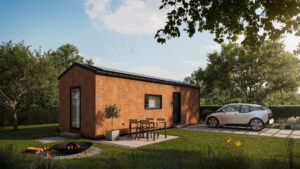
You’ve likely noticed a change in how Australian homes are coming together. The old image of a “prefab” shed is long gone. Today, a fabricated house represents the pinnacle of modern engineering, designed for permanent, high-end living. To understand the foundations of this movement, it helps to ask: What is a Fabricated House? At its core, it’s a home where the heavy lifting happens off-site. Skilled tradespeople work in a climate-controlled factory to build your walls, floors, and roof with millimetre precision before everything is transported to your block.
Professional circles are moving away from the word “prefab” because it carries the baggage of temporary school classrooms or “demountable” mining camps. Fabrication implies a level of architectural sophistication and structural integrity that matches or exceeds traditional brick-and-mortar builds. By building indoors, manufacturers eliminate the “weather delay” problem that plagues the Australian construction industry. Your floorboards won’t sit in a puddle for three weeks during a La Niña event, and your timber frame won’t warp under the harsh summer sun before the roof goes on.
Fabricated vs. Modular vs. Kit Homes
Understanding the terminology helps you choose the right path for your lifestyle. Modular homes are the most complete version; entire room sections arrive on a truck, finished with cabinetry and plumbing, ready to be joined like giant Lego blocks. If you’re a hands-on owner-builder looking for a more traditional assembly process, you might consider kit homes australia, where flat-packed components are delivered for you to manage. The term fabricated house acts as the umbrella for all these methods, signifying any home that uses advanced off-site manufacturing to deliver a superior result.
Why Australians are Choosing Fabricated Living in 2026
Efficiency is the main driver behind this shift. With the RBA cash rate sitting at 4.10% as of March 2026, every month spent in the construction phase adds significant interest costs to your loan. Choosing a fabricated path can cut your build time by up to 50%. You aren’t just saving time; you’re also reducing your environmental footprint. Factory settings allow for precise material use, which means less waste ends up in Australian landfills. It’s a cleaner, faster, and more predictable way to unlock the door to your new home.
The Benefits of the Fabricated House Build Method
Choosing a fabricated house isn’t just about picking a different construction style; it’s about opting for a more controlled, predictable, and stress-free journey to homeownership. Traditional building sites are often chaotic, with trades battling rain, wind, and logistics. In contrast, the factory environment offers a level of precision that’s simply impossible to achieve in the mud. This shift toward manufacturing is backed by a $54 million government investment in prefab housing, proving that this method is a legitimate and supported solution for Australia’s future.
One of the biggest reliefs for your wallet is fixed-price certainty. Because the build happens in a factory, manufacturers can calculate material costs and labour hours with incredible accuracy. You won’t be hit with the “unexpected variations” that often plague traditional builds when a site supervisor discovers a problem halfway through. This predictability is vital when you’re managing a budget in a high-interest environment. If you’re feeling overwhelmed by the numbers, chatting with an expert about specialised modular finance can help clear the air.
Precision Engineering and Energy Efficiency
Factory-built homes benefit from 3D modelling and CNC machinery that cuts components to the exact millimetre. This eliminates the structural errors and gaps often found in hand-built frames. These tight seals and high-quality insulation lead to superior thermal performance, keeping you cooler in the Aussie summer and warmer in winter. In this context, a NatHERS rating is a star-based system that measures a home’s thermal comfort and energy efficiency, often reaching higher levels in fabricated homes due to their airtight construction.
Reduced Construction Timelines
The speed of this method is a game-changer. While your local council is finalising approvals and your builder is preparing the footings on your block, your fabricated house is already being constructed indoors. This simultaneous workflow can save you between 4 and 6 months compared to a standard build. Once the site is ready, the home arrives in a “plug and play” state. Utility connections are often pre-installed, meaning you can go from a vacant lot to a finished home in a matter of days rather than months. It’s a seamless transition that lets you move in and start your new life much sooner than you ever thought possible.
Common Myths: Is a Fabricated House a ‘Real’ Property?
A common misconception persists that a fabricated house is somehow less “real” than a home built with traditional bricks and mortar. This stigma usually stems from memories of old-school demountables or the “shipping container” trend. Today’s reality is vastly different. Modern fabrication uses high-end architectural finishes, engineered timber, and precision-cut steel frames that are designed to outlast many traditional builds. These aren’t temporary shelters; they’re permanent residential dwellings that must comply with the same rigorous standards as any other Australian home.
Durability is a major factor where these homes often take the lead. While brick can crack during ground movement, steel frames offer flexibility and strength, especially in reactive soil areas common across Australia. You aren’t buying a basic box; you’re investing in a precision-engineered asset. The high-performance materials used in a fabricated house are specifically chosen to withstand the harsh Aussie climate, from the salt spray of the coast to the intense heat of the outback. When you walk through a modern modular home, the luxury finishes and solid feel make it indistinguishable from a high-end custom build.
Quality Standards and Australian Regulations
Every home, regardless of how it’s built, must meet the National Construction Code (NCC) and the Building Code of Australia (BCA). This includes meeting specific structural integrity requirements for your local wind region. Whether you’re building in a sheltered inland town or a Region C cyclone-prone coastal area, your home is engineered to stay put. Always ensure you choose a manufacturer with a registered Australian building licence. This gives you the same consumer protections and home warranty insurance coverage as a traditional on-site builder.
Investment Potential and Appreciation
The Australian property market has shown that well-designed fabricated homes hold their value exceptionally well, particularly in regional and coastal hotspots. Capital growth is driven by the combination of land value and the quality of the fixed dwelling. Because these homes often feature striking modern aesthetics and high energy ratings, they appeal strongly to the growing demographic of eco-conscious buyers. Lenders and valuers now recognise these as permanent assets once they are permanently fixed to the site. It is a standard practice for banks to value these properties based on the combined value of the land and the fixed dwelling, not just the structure itself.
Planning Your Fabricated House Project
Success with your new build starts long before the first module arrives on a truck. You need to assess your land with a critical eye to ensure it’s actually ready for a modern delivery. A fabricated house requires a clear, wide path for transport, so you must check for low-hanging power lines, narrow rural tracks, or tight suburban corners that a semi-trailer might struggle to navigate. While sloping blocks offer beautiful views, they often require specialised footing designs that can add to your initial site preparation costs. Getting these logistics right early prevents expensive “double handling” fees on delivery day.
Choosing your manufacturer is the next big step in your journey. You’ll need to decide between a standard floor plan or a bespoke architectural design tailored to your specific block. Standard plans are generally faster to produce and more cost-effective, while bespoke options allow you to maximise solar orientation or capture specific landscape features. Regardless of the design, always insist on a “turnkey” contract. This type of agreement ensures the price covers everything from the initial factory build to the final council sign-off, protecting you from the hidden costs that often catch owner-builders off guard.
Site Suitability and Infrastructure
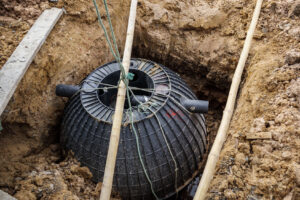
Don’t skip the soil test. Even though your home is precision-engineered in a factory, its foundations must be perfectly matched to your ground conditions. If you’re building in a remote or regional area, you’ll also need to plan for water, waste, and power. Many Australians are now choosing to bypass expensive grid connection fees by opting for self-sufficiency. You can look into off-grid solar loans to fund a high-capacity battery system, allowing you to power your sustainable lifestyle without relying on a traditional utility provider.
The Council Approval Roadmap
Navigating the paperwork is often the part people dread most, but it doesn’t have to be a roadblock. You’ll generally need a Development Application (DA) to approve how the land is used and a Construction Certificate (CC) to verify the build meets safety standards. Interestingly, some councils in high-risk bushfire zones actually prefer a fabricated house because the factory-controlled seals and non-combustible materials often exceed local safety requirements. To speed things up, consider using a private certifier who can manage the inspections and compliance paperwork on your behalf, often much faster than a local council officer. Ready to get your project moving? You can apply for modular home finance today to secure your place in the manufacturing queue.
How to Finance a Fabricated House in Australia
Most building guides focus on the design, but your project lives or dies by your funding strategy. Traditional lenders often struggle with the fabricated house model because they can’t secure a mortgage against an asset that’s currently sitting on a factory floor 500 kilometres away. Standard residential mortgages are designed for “sticks and bricks” builds where progress payments are made as milestones are reached on your land. When a manufacturer requires payment before the home even leaves the factory, big banks often see a risk they aren’t willing to take.
You need a financial partner who understands that factory-built precision is a strength, not a liability. We help you bridge the gap between the manufacturing phase and the final installation on your block. Lenders in this specialized space will want to see a detailed contract from your manufacturer, proof of their building licence, and a clear timeline for the transport and install. Having these documents ready shows you’ve done your homework and makes you a much more attractive borrower in the eyes of a credit assessor.
Understanding the Loan Structure
The biggest challenge is often the initial deposit and the “off-site” payments required by the builder. If you’re looking at a smaller dwelling or a secondary residence, you might find that personal loans or asset finance provide a more flexible path than a traditional 30-year mortgage. These options often bypass the strict “on-site” security requirements of big banks. For those exploring movable options or smaller-scale living, it’s worth checking out our guide on tiny home finance australia to see how different loan structures can work for your specific project.
Why a Specialist Broker is Essential
You don’t have to tackle the complexities of unconventional lending on your own. A specialist broker gives you access to a dedicated panel of lenders who actually understand the modular and fabricated industry. At Little Home Loans, we’re here to validate your choice and help you achieve your big lifestyle dreams without the banking headaches. Our “Finance Made Simple” approach means we handle the technical heavy lifting, from explaining progress payment schedules to securing the final approval. You can get a specialised quote for your fabricated house project today and take the first real step toward your new front door.
Unlock Your Future with Modern Fabrication
The fabricated house has evolved into a precision-engineered solution for the modern Australian property market. You now understand how these homes provide fixed-price certainty and superior energy efficiency while meeting every rigorous standard of the National Construction Code. By preparing your site for delivery and navigating the council roadmap with a private certifier, you can bypass the traditional construction delays that often stretch for years.
Securing the right funding is the final, vital step in your journey. Standard lenders often shy away from unconventional builds, but you don’t have to navigate those hurdles alone. At Little Home Loans, we’re dedicated to alternative housing finance and offer a wide range of flexible loan options tailored to your unique project. Through our expert brokerage partnership with Alpha390 Finance, we make the complex world of modular lending simple and secure for every Aussie dreamer.
Unlock your fabricated home dream with specialist finance from Little Home Loans today. Your move-in date is closer than you think, and we’re here to help you unlock the door to a smarter way of living.
Frequently Asked Questions
Can I get a standard home loan for a fabricated house?
Standard home loans are often difficult to secure because major banks usually require the home to be fixed to the land before releasing funds. Since a large portion of the work happens in a factory, you’ll generally need a specialised modular home loan. We focus on these unique financial structures to ensure your progress payments are covered while your home is still under construction off-site.
How much does a fabricated house cost compared to a traditional build?
While the base construction cost generally ranges from $2,500 to $3,000 per square metre, the real savings come from reduced “holding costs.” Because these projects are completed up to 50% faster than traditional builds, you spend significantly less on rent and loan interest during the construction phase. You also avoid the expensive “on-site variations” that often blow out traditional building budgets.
Do fabricated houses have a shorter lifespan than brick homes?
No, a modern fabricated house is designed to last 50 years or more, just like a traditional brick property. Every unit must meet the rigorous National Construction Code (NCC) standards for structural integrity and durability. Using precision-engineered steel frames and high-performance cladding ensures these homes remain a permanent, high-quality asset for your family.
Can I customise the design of a fabricated house?
You have plenty of room for creativity, ranging from choosing internal finishes to commissioning a completely bespoke architectural floorplan. While many people start with a manufacturer’s standard model to save on costs, you can usually modify the layout to suit your block’s orientation. It’s all about tailoring the space to match your specific lifestyle and aesthetic preferences.
What happens if the manufacturer goes bust during the build?
Your project is protected by mandatory Home Building Compensation insurance, which is a requirement for licensed builders in most Australian states. We also encourage using “turnkey” contracts with clearly defined payment milestones. This ensures you only pay for work that has been completed and verified, protecting your investment throughout the factory phase.
Is it harder to get council approval for a fabricated home?
It’s the same legal process as any other dwelling, but having pre-certified engineering plans can actually make things simpler. Because a fabricated house is built to a repeatable, high-quality standard, local councils often find the compliance paperwork easier to process. Using a private certifier can further speed up your journey from the DA stage to the final Construction Certificate.
Do fabricated houses meet Australian bushfire standards (BAL)?
Yes, these homes can be engineered to meet any Bushfire Attack Level, including the highest Flame Zone (BAL-FZ) requirements. Manufacturers often use non-combustible materials and specialized toughened glass to ensure the structure is resilient in high-risk regions. This level of factory-controlled sealing often provides better protection than older, hand-built homes in the same area.
Can fabricated houses be built off-grid?
They are an excellent choice for off-grid living because their airtight construction offers superior thermal efficiency. You can easily integrate solar battery systems and rainwater harvesting during the manufacturing stage. This makes them perfect for remote Australian blocks where the cost of connecting to the main electricity grid can be a significant financial hurdle.