In Tasmania there is no single answer to “can I put a tiny house here?”. What applies depends on whether the home has wheels, whether it is fixed to the ground or connected to services, what the land is zoned and how you plan to use it. The State Planning Office has published a fact sheet on tiny houses that explains the general approach, but your council decides how the planning scheme and local rules apply to your property. This guide summarises the fact sheet, separates the main pathways and lists questions to ask before you buy. It is general information, not planning, building or legal advice. For the national picture see where can you put a tiny home, and for other states see tiny homes in Victoria, tiny homes in NSW and tiny homes in Western Australia. Rules differ by state, and those states’ rules do not apply in Tasmania.
Short answer: what approvals does a tiny house need in Tasmania?
It depends on the type and the site. The State Planning Office fact sheet (December 2024) says a tiny house that is fixed to the ground, connected to water or wastewater, or attached to a deck is normally treated as a permanent structure. Whether a planning permit is needed depends on the zone, the design and the location. A building permit may still be needed even where no planning permit is, and plumbing is a separate matter. Check with the relevant council before you buy or build.
Different things people call a tiny house
| Type | How the fact sheet describes it | What to check |
|---|---|---|
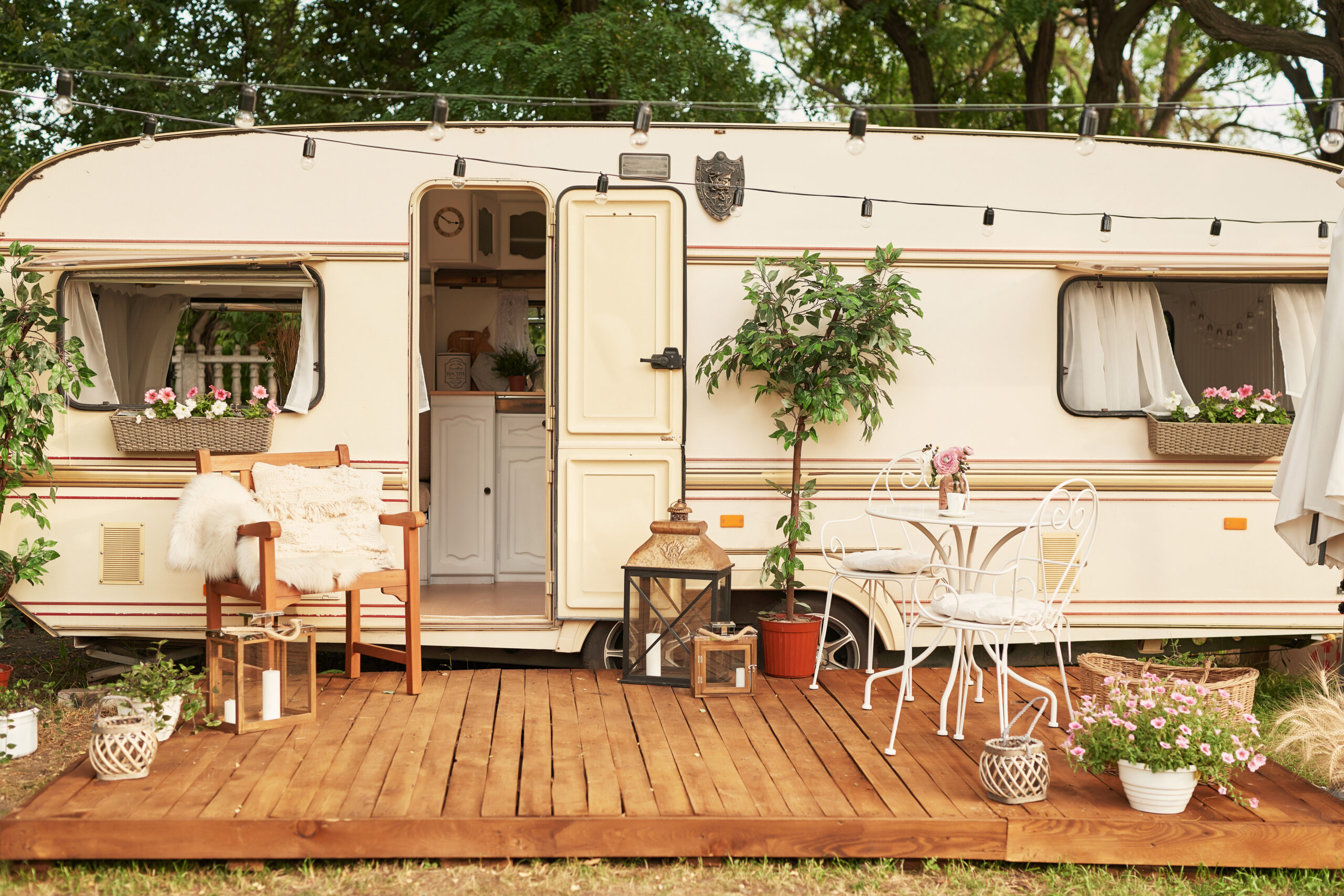
| Tiny house on wheels | Not described as a permanent structure on its own; the fact sheet notes some councils have by-laws about temporary caravan use | Ask the council what its by-laws say about using a caravan or similar on your land |
| Fixed tiny house | Normally treated as a permanent structure if fixed to the ground, connected to water or wastewater, or attached to a deck | Planning permit need depends on zone, design and location; a building permit may still apply |
| Secondary dwelling (granny flat) | The fact sheet says a single dwelling or a secondary residence of up to 60 m² generally needs no planning permit in the main residential zones if the planning rules are met | Confirm the zone, the size and whether your site meets the rules |
Do not assume a particular tiny house falls into one row because of what a seller calls it. Whether it has wheels, whether it is fixed or connected to services and how you plan to use it all matter.
Planning approval versus building approval
These are separate questions. Planning approval is about whether the use and design are allowed on the land under the planning scheme. Building approval is about whether the structure meets building requirements. The fact sheet says a building permit may be needed even if no planning permit is, and that plumbing is dealt with separately. Having one answer does not tell you the other, so ask about both.
Local variation: why your council matters
State guidance sets out the general approach, but it is not a promise that every property qualifies. Zones, overlays, lot features and council by-laws differ across Tasmania, and the fact sheet itself recommends checking with your council. Treat any general guide, including this one, as a starting point for the conversation with the relevant council or local authority rather than the answer.
Questions to ask the relevant council
- What is the zoning of the land, and what dwelling types are allowed on it?
- Would this home be treated as a permanent structure, or does it fall under caravan by-laws?
- Do I need a planning permit, a building permit, or both?
- If I want a secondary dwelling on a lot with an existing house, what size and design rules apply?
- What are the requirements for water, wastewater and electricity?
- Are there any overlays on my property that change the answer?
- Can I rent it out, and for how long can it be occupied?
Owner-builders face their own requirements. See owner-builder approvals. For general granny flat questions see granny flat council approval and granny flat size, and for services see septic tank cost and off-grid tiny home.
How finance treats each type
Finance depends on how the lender classifies what you are buying, and lenders set their own criteria. In general, a fixed dwelling on land you own is usually assessed differently from a home on wheels treated more like a vehicle or caravan, and some lenders will not finance certain types at all. A lender may also want approvals in place before releasing funds. Whether a particular lender will finance your tiny home depends on the lender, the structure, your income and your credit history, and approval is not guaranteed. Our guides explain the options: tiny home loans, how to finance a tiny home, loans for tiny houses on wheels and can you get a loan for a tiny house. For costs, see tiny house cost in Australia.
Frequently asked questions
Do I need approval for a tiny house in Tasmania?
It depends on the type and site. A fixed or service-connected tiny house is normally treated as a permanent structure, and a building permit may be needed even where no planning permit is. Check with the relevant council.
Is a tiny house on wheels treated differently?
The State Planning Office fact sheet notes that some councils have by-laws on temporary caravan use. Ask your council how its by-laws apply to your land.
Is a tiny house a granny flat in Tasmania?
A fixed tiny house on a lot with an existing house may be treated as a secondary dwelling. The fact sheet says secondary residences of up to 60 m² generally need no planning permit in the main residential zones if the rules are met, but confirm with your council.
Are the rules the same in every Tasmanian council area?
Not necessarily. Zones, overlays and by-laws differ, so check with the council for your property.
Can I get finance for a tiny house in Tasmania?
Often it is possible, but it depends on the type of home, the lender’s criteria and your circumstances. A broker can check which lenders suit your plan.
This article is general information only and does not constitute credit, financial, legal, building or planning advice. Rules and fees vary by council and property and change over time; confirm current requirements with the relevant council or a building professional. Lending is subject to approval, lending criteria, terms, conditions and fees. Little Home Loans is powered by Alpha390 Finance, which operates under ACL 506065 (Five Tees Pty Ltd).
Sources: Tasmanian State Planning Office, tiny houses fact sheet (December 2024). Accessed 26 October 2026.
Written and reviewed by the Finance Director at Little Home Loans.
Questions about financing a tiny or alternative home? Call 1300 391 390 or speak to a broker.