Did you know that while traditional builds are stalling across the country, the Australian prefabricated building market surged to a value of USD 5.30 billion in 2025? You’ve likely looked at prefab homes as a way to escape the endless cycle of rising rents and two-year construction delays. It’s frustrating when you’re ready to start your project but the big banks treat your sustainable, off-site build like a risky experiment. You want a home that reflects your values without the headache of hidden costs or council confusion.
We’re here to help you turn that vision into a reality. This guide explains how to bypass traditional lending hurdles, secure the specialised modular home loans you actually need, and move into a high-performance home in as little as 14 weeks. You’ll learn about the May 2026 National Construction Code transition, how to claim up to $30,000 in First Home Owner Grants, and the best way to manage a build during the current 4.35% cash rate environment. We provide a clear roadmap that covers everything from sustainable design choices to the delivery timeline, ensuring your journey to a modern, modular lifestyle is both simple and secure.
Key Takeaways
- Discover how modern off-site construction has evolved from basic kit sheds into architectural masterpieces that offer superior sustainability and design flexibility.
- Learn how to move into your home in months rather than years by leveraging the speed of modular construction and the security of fixed-price contracts.
- Understand why traditional banks often reject prefab homes and how to access specialised modular home loans that recognise the unique value of off-site builds.
- Follow a clear, step-by-step roadmap from checking local council zoning to securing the right financial pre-approval for your specific project.
- Gain insights into how a partnership-led approach to finance can turn your non-traditional housing dream into a practical, secure reality.
Table of Contents
- Understanding Prefab Homes in Australia: More Than Just a Kit
- Why Prefab Homes are the Future of Sustainable Aussie Living
- The Finance Hurdle: Why Prefab Homes Need Specialised Lending
- Your Roadmap to Buying a Prefab Home: From Site to Settlement
- Securing Your Dream: How Little Home Loans Makes Prefab Possible
Understanding Prefab Homes in Australia: More Than Just a Kit
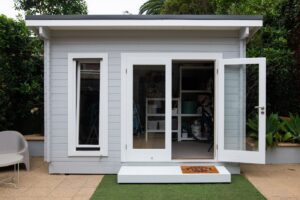
When you think of a prefab home, do you still picture a basic corrugated iron shed in the middle of a paddock? It’s time to update that vision. In 2026, the Australian housing market has reached a tipping point where traditional builds often feel like a gamble. Between labour shortages and unpredictable weather, the shift toward off-site construction is no longer a niche trend; it’s a necessity. For a clear foundation, Understanding Prefab Homes starts with recognising that “prefab” is an umbrella term. It covers everything from modular systems to panelised flat-packs, all created in a precision-controlled factory environment.
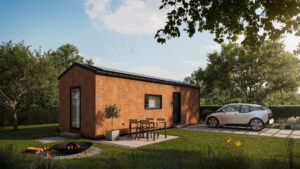
The evolution of prefab homes in Australia has been remarkable. We’ve moved far beyond the “kit home” stigma of the past. Today, you’ll find architectural masterpieces that rival any high-end custom build in Sydney or Melbourne. With the Australian prefabricated building market valued at USD 5.30 billion in 2025, the industry is scaling up to meet the government’s National Housing Accord goals. You aren’t just buying a box; you’re investing in a sophisticated system designed to beat the two-year wait times common with conventional construction.
Modular vs. Kit Homes: Which is Right for You?
Choosing between a modular and a kit system is your first big decision. Modular homes are essentially 90% complete when they leave the factory. They arrive on your site with kitchens, bathrooms, and flooring already installed. This is the fastest path to moving in, but it requires a specific finance strategy. Traditional banks often struggle with this because they can’t “see” the security until it’s bolted to the ground. That’s where specialised Modular Home Loans become essential, as they account for the factory build stage. In contrast, kit homes provide the pre-cut materials for you or a contractor to assemble on-site. While kits offer more DIY flexibility, they demand a much higher level of project management and often take longer to complete.
The Sustainable Edge of Australian Prefab
Sustainability isn’t just a buzzword in the prefab space; it’s a built-in advantage. Factory construction reduces material waste by up to 40% compared to traditional sites. Because these homes are engineered with millimetre precision, they offer superior thermal performance and airtightness. This leads to lower energy bills and a more comfortable home year-round. If you’re planning an eco-friendly project, these high energy ratings can often help you secure better terms. You might even consider pairing your build with Off-Grid Solar Loans to achieve total energy independence, turning your modern modular home into a truly future-proof investment.
Why Prefab Homes are the Future of Sustainable Aussie Living
The primary appeal of prefab homes today isn’t just the price tag; it’s the absolute certainty. In an era where traditional builders are frequently struggling with labour shortages or extending timelines by years, the modular approach offers a controlled, reliable alternative. You aren’t just buying a house; you’re buying a guaranteed move-in date. Most modular projects in Australia are completed 20% to 40% faster than conventional builds, with many ready for keys in just 14 to 18 weeks. This speed doesn’t just save you time; it saves you money on bridging loans and rent.
Fixed-price contracts are the hero of this story. While “budget creep” is a common nightmare for traditional homebuilders, factory-built homes operate on a manufacturing model. This means your costs are locked in before the first piece of timber is cut. For many, The Finance Hurdle has historically been the only thing standing between a buyer and their dream home, but as lenders become more sophisticated, this gap is closing. You can now plan your future with confidence, knowing that the 4.35% cash rate won’t be compounded by unexpected construction cost blowouts.
Site disruption is another area where prefab homes shine, particularly if you’re building in a sensitive coastal area or a quiet rural pocket. Because the bulk of the work happens off-site, you won’t have heavy machinery and dozens of vehicles tearing up your land for eighteen months. The actual installation often takes just a few days, preserving the natural beauty of your block and keeping your new neighbours happy from day one.
Beating the Construction Delay
Traditional construction is at the mercy of the elements. One week of heavy rain in Queensland or New South Wales can set a project back by a month. Factory builds bypass these weather delays entirely. While your site is being cleared and the footings are poured, your home is being constructed simultaneously in a dry, secure facility. This parallel processing is the secret to the rapid delivery times we see in 2026. You don’t have to wait for the plumber to show up on a Tuesday only to find out he’s stuck on another job; the trades are already there, working in a streamlined assembly line.
Customisation and Modern Aesthetics
Forget the idea that modular living means settling for a generic design. Modern Aussie prefab companies offer a boutique experience that allows you to choose high-end finishes, sustainable cladding, and bespoke floor plans. Whether you want a minimalist coastal retreat or a rugged bush hideaway, the flexibility is immense. You can select energy-efficient glazing and solar-ready roofs that align with the latest 2026 standards. If you’re looking to fund these eco-friendly additions, exploring options like Modular Home Loans can help you bridge the gap between your vision and your budget.
The Finance Hurdle: Why Prefab Homes Need Specialised Lending
You’ve picked your design and found the perfect block. Then you talk to your local bank manager and the energy shifts. Traditional lenders often hit a wall when it comes to prefab homes because their systems are built for 1950s brick-and-mortar construction. They expect to see a slab on your land before they release a cent. But in the modular world, your home reaches 90% completion in a factory before it even touches your soil. This creates a massive “funding gap” where the builder needs payment for materials and labour, but the bank refuses to lend against an asset they can’t physically inspect on your property.
This security concern is the biggest hurdle. Big banks worry about what happens if a builder goes bust while your house is still in a warehouse. Because they don’t understand the legal protections and insurance involved in off-site construction, they simply say no. It’s not that your project isn’t viable; it’s just that the bank doesn’t have the right “translation” for it. A specialised broker acts as that translator, presenting your project in a way that highlights the security and reduces the perceived risk for the right lenders. Yes, you can absolutely secure a loan for a prefab project, but you need a strategy that matches the modern build process.
Bridging the Funding Gap
Specialised finance solutions are designed to handle factory-stage payments. Instead of waiting for on-site milestones, these loans provide progress payments while your home is under construction in the factory. This keeps the project moving and ensures your builder has the cash flow to maintain those rapid timelines. Successfully managing modular home financing Australia wide requires a lender who accepts off-site security. This approach validates the value of the structure before it reaches your land, providing peace of mind for both you and your builder.
Personal Loans vs. Asset Finance for Prefab
Not every project requires a full mortgage. If you’re adding a smaller modular studio or a secondary dwelling, Personal Loans can often be a faster, more flexible option with fewer hoops to jump through. For movable prefab structures or those on wheels, Asset Finance might be the smarter choice, treating the home more like a high-value asset than a traditional piece of real estate. If you’re starting from scratch, we can help you structure your finance to cover both the land purchase and the build, ensuring you aren’t left short when the delivery truck arrives. We focus on making the unconventional feel secure and accessible.
Your Roadmap to Buying a Prefab Home: From Site to Settlement
Building one of the many modern prefab homes available in Australia requires a different sequence of events than a traditional on-site build. You can’t simply pick a floor plan and hope the bank says yes. Success starts with your land. Before you sign any builder contracts, you must verify your local council zoning and understand how the National Construction Code (NCC) 2025 transition, which began on 1 May 2026, affects your specific block. Different states are adopting these changes at various speeds, so your design must be compliant with the latest thermal and structural standards for your jurisdiction.
Once you’ve confirmed your land is suitable, your next move is securing financial pre-approval from a specialist who understands the modular industry. Traditional lenders often hesitate until the home is physically on the site, but a specialist will help you navigate the 4.35% cash rate environment with a loan structured for factory progress payments. With your finance in place, you can confidently finalise your design and move into the parallel processing phase. While your builder is busy in the factory, you’ll be preparing the site, pouring footings, and organising utility connections. This dual-track approach is what allows you to move in months earlier than your neighbours using conventional methods.
Navigating Council and Permits
In the Australian market, you’ll generally choose between a Development Application (DA) through your local council or a Complying Development Certificate (CDC) via a private certifier. A CDC is typically faster, but it requires your project to meet very specific “black and white” criteria regarding site coverage and setbacks. Soil tests and site access audits are non-negotiable at this stage. If your block has a steep slope or tight access, the cost of crane hire will increase significantly. Furthermore, if you are looking at a mobile dwelling, your tiny home finance Australia strategy must align with whether the home is permanently fixed or stays on wheels, as this determines how the lender views their security.
Budgeting for Hidden Costs
While the fixed-price nature of modular building is a huge benefit, you still need to account for “below the ground” and “over the air” costs. Transporting large modules from a factory to a rural site involves wide-load permits, pilot vehicles, and specialised logistics. You also need to factor in the final connection of water, sewage, and electricity. Many Australians are now choosing to bypass expensive grid connection fees by including off-grid solar loans in their initial finance application. This not only saves on setup costs but ensures long-term energy independence. If you’re ready to see how the numbers stack up for your project, reach out for a tailored modular finance assessment today.
Securing Your Dream: How Little Home Loans Makes Prefab Possible
Securing finance for prefab homes shouldn’t feel like a battle against the system. While major lenders often relegate off-site construction to the “too hard” basket, we see things differently. We recognise that choosing a modular lifestyle is a smart, sustainable, and forward-thinking decision. Our role is to act as your knowledgeable advocate, bridging the gap between your architectural vision and the technical requirements of the lending world. We don’t just process applications; we validate your choice and provide a clear path to settlement.
Our partnership approach is what sets us apart. We don’t just work for you; we work alongside your chosen builder to ensure the finance structure aligns perfectly with their construction milestones. This collaboration is vital for managing the progress payments discussed earlier. By speaking the same language as the manufacturers, we can streamline the approval process and reduce the friction that often stalls unconventional projects. Whether you are looking for Modular Home Loans for a permanent residence or Asset Finance for a transportable unit, we tailor our solutions to the specific scale of your aspirations.
We understand the nuances of the 2026 market, including how the 4.35% cash rate impacts your borrowing capacity. Instead of applying a one-size-fits-all mortgage product, we look at the total value of your project. This includes everything from the sustainable design features to your site-specific requirements. Our goal is to make specialized financing feel as accessible and secure as a traditional loan, giving you the confidence to move forward without the fear of a last-minute bank rejection.
A Boutique Experience for a Unique Build
Our clients choose us because they want a boutique experience that matches their minimalist or architectural dreams. You’ll have direct access to expert brokers who live and breathe the alternative housing lifestyle. We understand why you want to reduce your footprint or escape the city, and we use that insight to present your case to lenders effectively. We handle the complex paperwork and “translate” the factory-build process for the banks, which significantly speeds up the time it takes to get you into your new home. It’s about personal connection and tailored service, not just numbers on a screen.
Ready to Start Your Prefab Journey?
The best time to organise your finance is before you fall in love with a specific floor plan. Acting early in the design phase allows us to give you a realistic assessment of your borrowing power, ensuring your project stays within budget from day one. This proactive step prevents the heartbreak of designing a home that you can’t ultimately fund. We can also discuss how to integrate Tiny Home Loans or Off-Grid Solar Loans into your strategy to maximise your home’s efficiency. When you’re ready to turn your modern modular vision into a practical reality, organise your prefab finance today with Little Home Loans.
Your Future in a Modern Modular Home Starts Today
Choosing prefab homes represents a smarter way to build in a landscape where traditional timelines and budgets often feel unpredictable. By embracing off-site construction, you’re prioritising precision, environmental responsibility, and significantly faster delivery. You now have the roadmap to navigate council approvals and site preparation with confidence. The final piece of the puzzle is ensuring your financial strategy is as innovative as your home design. The 2026 housing market moves fast, and your funding should keep pace.
Since 2023, we’ve been empowering sustainable Aussie living by providing the specialised modular finance expertise that traditional institutions frequently lack. Our team offers access to a wide network of flexible lenders who understand the unique security requirements of your project. We’re here to ensure that unconventional housing doesn’t mean unconventional stress. Apply for your prefab home loan pre-approval here and take the first step toward your new lifestyle. We look forward to helping you realise your dream of a beautiful, sustainable home without the two-year wait.
Frequently Asked Questions
Is it cheaper to build a prefab home than a traditional house in Australia?
The total cost is often comparable to a high-quality traditional build, but the real savings come from certainty and speed. Fixed-price contracts prevent the budget blowouts common in site-built projects. Because prefab homes are completed up to 40% faster, you also save thousands in interest on bridging loans and rental costs while waiting for your new home to be ready.
Can I get a standard mortgage for a prefab or modular home?
Securing a standard residential mortgage can be difficult because traditional banks often require the home to be fixed to the land before releasing funds. Most buyers need a specialised Modular Home Loan that recognises the value of the build while it is still in the factory. We specialise in these types of loans to ensure your project stays funded from the first day of construction.
How long does it typically take to build and deliver a prefab home?
Most projects are completed within 14 to 18 weeks from the start of the factory build. This rapid timeline is possible because site preparation and house construction happen simultaneously. While your footings are being poured on-site, your home is being precision-engineered in a controlled environment, completely bypassing the weather delays that often stall traditional Australian building sites for months.
Do prefab homes appreciate in value like traditional homes?
Yes, high-quality prefab homes appreciate in value just like any other property once they are permanently fixed to the land. Capital growth is primarily driven by your location and the quality of the design. Modern modular homes are built to meet or exceed the durability of traditional houses, ensuring they remain a strong financial asset for decades to come.
What kind of land is suitable for a prefab home delivery?
Most blocks are suitable, but you must ensure there is clear access for large delivery trucks and cranes. Factors like steep slopes, narrow rural tracks, or low-hanging power lines can impact the delivery process. A site access audit is a vital early step to confirm that the modules can be safely transported and craned onto your prepared foundations.
Are prefab homes built to the same Australian Standards as traditional builds?
Every modular home must comply with the National Construction Code (NCC) and the same Australian Standards as any on-site build. In many cases, factory-built homes are actually more robust. They are engineered to withstand the stresses of transport and craning, which often results in a more rigid and durable structure than a house built purely for a stationary life on-site.
Can I include solar and batteries in my prefab home loan?
You can certainly include sustainable energy systems in your specialised finance package. We offer Off-Grid Solar Loans that can be bundled with your primary build loan. Lenders often view these additions positively because they lower your future living costs and improve the home’s energy rating, which is increasingly important under the 2026 National Construction Code updates.
What happens if I want to move my prefab home later?
While most modular homes are designed to stay put, they can be disconnected from utilities and relocated if your circumstances change. This process requires specialised transport and new council approvals for the target site. Keep in mind that moving a home may change its classification for certain types of finance, so it’s best to chat with a broker if relocation is in your long-term plan.
Ready to finance a modular or prefab build? Compare your options on our modular & prefab home finance page.