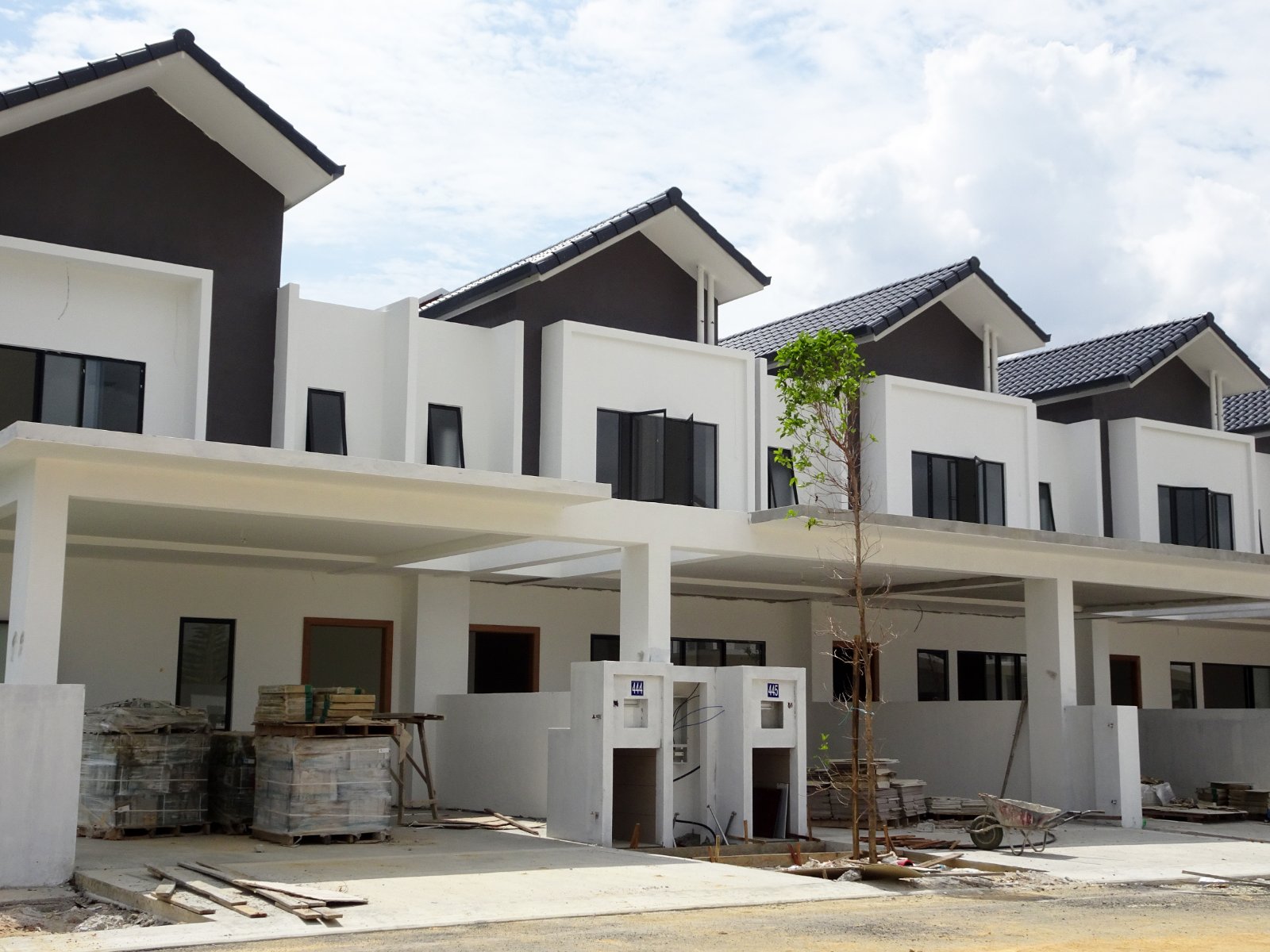
Building a duplex — two dwellings under one roofline or side by side on a single block — is one of the most popular ways Australians add value or rental income to a site. The cost to build a duplex varies widely by location, size, finish and site conditions, so this guide sets out the realistic cost drivers and the ranges to plan around, plus how the finance actually works.
What a duplex typically costs to build
As a broad planning guide, duplex construction in Australia commonly falls into these indicative bands (build cost only, excluding land):
- Budget / project-builder duplex: lower per-square-metre rates with standard inclusions.
- Mid-range duplex: better fixtures, some customisation, the most common bracket.
- Premium / architect-designed: bespoke design, high-end finishes, sloping or difficult sites.
Because a duplex is two dwellings, the total build is higher than a single home — but the per-dwelling cost is often lower than building two separate houses, thanks to shared walls, services and one set-up. Always price your own project with fixed-price builder quotes; the ranges above are indicative only and move with materials, labour and location.
The factors that move the price
- Location — metro vs regional labour and material costs, and council requirements.
- Size and design — total floor area, single vs double storey, attached vs detached.
- Site conditions — slope, soil class, access, demolition or a knockdown rebuild of an existing house.
- Finishes and inclusions — kitchens, bathrooms, flooring and fittings.
- Council and consultants — DA/CDC approvals, subdivision, and professional fees.
- Site costs — driveways, landscaping, fencing, connections and stormwater.
Don’t forget the costs beyond the build
The builder’s contract price is only part of the picture. Budget also for council and approval fees, subdivision and titling if you plan to sell or rent separately, connection of services, and finance costs during the build. These “outside the contract” items catch many first-time duplex builders out.
How duplex construction finance works
A duplex is usually funded with a construction loan that releases money in stages as the build progresses (slab, frame, lockup, fit-out, completion), with interest charged only on what’s drawn. If you’re building two dwellings to hold or sell, lenders assess the project as a dual-occupancy build, which affects borrowing capacity and deposit.
- How construction loans work — the progress-payment stages explained.
- Construction loan interest rates — how they’re structured during the build.
- Owner-builder finance — if you’re managing the build yourself.
- Modular & prefab home finance — if you’re building off-site.
Example
An investor knocks down an older house and builds an attached duplex to rent both sides. They fund it with a construction loan drawn in stages, paying interest only on the released amounts during the build, then move to standard repayments at completion — with the two rental incomes supporting serviceability. Getting the finance structured correctly before signing the builder’s contract is what keeps the project cash-flow positive.
Cost to build a duplex — FAQs
Is it cheaper to build a duplex than two houses?
Usually per dwelling, yes — shared walls, services and a single set-up reduce the per-side cost compared with two standalone homes on separate blocks.
Do I need a bigger deposit for a duplex?
Often yes. Lenders assess a dual-occupancy build differently from a single home, so deposit and borrowing capacity depend on the project and whether you’ll hold or sell.
Can I finance the demolition too?
Frequently yes — a knockdown-rebuild can be funded within a construction facility. See our knockdown rebuild finance guide.
How long does a duplex take to build?
Typically several months to a year depending on size, site and approvals — longer than a single home, which affects your interest-during-construction budget.
Thinking about building a duplex? Enquire online, call 1300 391 390, or contact us to structure the construction finance before you sign a build contract.
Written and reviewed by the Finance Director at Little Home Loans.
This article is general information only and does not constitute credit or financial advice. Costs quoted are indicative examples only and vary by project, location and time. Little Home Loans arranges finance and does not provide building or quantity-surveying services. Lending is subject to approval, lending criteria, terms, conditions and fees.