Choosing between a small house tiny footprint and a traditional cottage isn’t just about how many square metres you’ll be mopping on a Sunday morning; it’s a high-stakes financial fork in the road. This decision determines whether you’re building a fixed asset or purchasing a mobile lifestyle. You’ve likely felt the sting of being rejected by ‘Big Four’ banks or the headache of deciphering council codes that seem to change at every shire boundary. It’s a common frustration to wonder if your dream of a simpler life is a ‘real’ property investment or just an expensive hobby.
You’re right to be cautious because the path you choose dictates your entire funding strategy. This guide helps you discover the critical regulatory and financial distinctions between small and tiny houses so you can determine which path leads to your ideal Aussie lifestyle. We’ll provide a clear understanding of 2026 classifications and a viable finance strategy for unconventional builds. You’ll gain the confidence to choose a sustainable housing model that fits your budget and secures your future.
Key Takeaways
- Identify the core architectural differences between a permanent small house tiny build and a mobile dwelling to ensure your chosen path matches your long-term property goals.
- Discover why the Big Four banks often shy away from alternative housing and how specialised asset finance provides a secure bridge to ownership.
- Navigate the 2026 Australian regulatory landscape with confidence by understanding the distinction between primary residences and ancillary dwellings.
- Account for the “hidden” costs of minimalist living, including solar arrays and septic systems, to create a robust and realistic financial plan.
- Leverage the expertise of a niche finance partner who understands the alternative housing subculture and can streamline your path to a sustainable home.
Small House vs Tiny House: Understanding the Scale of Your Ambition
Australians are increasingly searching for the “missing middle” in our property market. You’ve likely noticed the shift away from sprawling suburban mansions towards more intentional, compact living. Whether you’re looking at a small house tiny footprint or a fully mobile dwelling, you’re participating in a housing revolution. This surge isn’t just about saving money; it’s about reclaiming your time and reducing your environmental footprint in a world that often feels cluttered.
What Qualifies as a Small House in Australia?
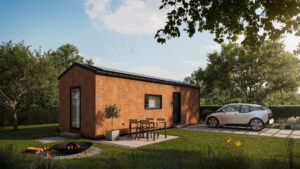
A small house is a permanent structure between 40 and 90 square metres. Unlike mobile cousins, this home sits on a fixed foundation with permanent utility connections. You might choose a modular or prefab design to speed up construction, but the outcome remains a “real property” asset. In 2026, building a small house under 800 square feet often costs up to $155,000. This status simplifies insurance but requires full council approval and National Construction Code compliance.
The Tiny House on Wheels (THOW) Distinction
A tiny house in Australia usually refers to a dwelling built on a road-registrable trailer. This distinction is vital; it shifts the home from a “building” to a “movable asset.” The Tiny House Movement has evolved for 2026 into high-end, architecturally designed spaces. A professionally built tiny house of 300 square feet now costs between $50,000 and $85,000. You gain incredible flexibility but trade off traditional capital gains.
Standard construction for a full-sized home in 2026 averages between $150 and $300 per square foot. When you compare this to the condensed costs of a smaller build, you’ll see that while the total price is lower, the cost per square metre is often higher. This happens because you’re packing expensive kitchens and bathrooms into a smaller area. Choosing between these two paths requires balancing the emotional appeal of minimalism with the practicalities of your site. A small house offers stability and a familiar path for services. A tiny house offers freedom and lower entry costs. Both require you to think deeply about how you want to live, not just where you want to sleep. Understanding this small house tiny distinction early prevents expensive mistakes when you reach the financing and council application stages.
The Financial Fork in the Road: Why Classification Matters
Your financial journey hits a major crossroads the moment you decide between a fixed foundation and a set of wheels. Traditional lenders in Australia are built for the status quo. They understand a three-bedroom brick-and-mortar house on a suburban block, but they often struggle with the small house tiny lifestyle. This struggle stems from how they view security. To a big bank, a house is only “real property” if it’s permanently attached to the land. If it can be towed away in the middle of the night, they classify it as a movable asset, which changes the entire lending landscape.
Choosing a fixed small house allows you to tap into the world of residential mortgages. These loans generally offer lower interest rates and longer terms, but they come with a mountain of red tape. You’ll need a certificate of occupancy, council-approved plans, and a registered builder. For many, this feels like just another version of the traditional rat race. If you’re leaning towards a more flexible life, understanding the nuances of financing your tiny house is essential. It moves you away from mortgages and into the world of personal loans or asset finance.
Mortgages for Fixed Small Houses
A small house on a foundation is treated as a standard property investment. If you’re building a modular or prefab home that’s permanently fixed to your land, you can often qualify for a traditional residential loan. The bank sees the land and the house as a single, appreciating asset. This path is ideal if you’re looking for long-term stability and have a deposit ready to go. It secures your place in the property market while keeping your living footprint manageable and your utility connections permanent.
Specialised Loans for Tiny Houses on Wheels
Tiny houses on wheels (THOWs) are technically “chattel,” meaning they’re personal property like a car or a boat. Because they aren’t fixed to the land, they don’t qualify for a standard mortgage. Instead, you’ll look at asset finance or personal loans. These products are designed for the movable nature of your home. You don’t always need a massive 20% deposit, and the approval process is often much faster than a bank’s gruelling mortgage application. If you want to dive deeper into these options, exploring tiny home finance Australia will give you the specific road map you need.
Your borrowing power is intrinsically linked to land ownership. If you own the site where your small house tiny build will sit, you can often use that equity to fund the construction. If you’re planning to park on a leased site, your loan must be secured against the dwelling itself. This is where many people feel stuck, but it’s actually an opportunity to stay nimble. You can chat with a specialist to get a personalised quote that reflects your specific lifestyle goals rather than trying to fit into a bank’s rigid box. Understanding these classifications ensures you don’t waste time on loan applications destined for rejection.
Council Regulations and the ‘Grey Area’ of Tiny Living
Understanding the legal landscape in 2026 requires a bit of detective work. Australian councils are gradually catching up to the demand for alternative housing, but the rules remain a patchwork. If you choose a fixed small house, your path is relatively traditional. You’ll need to submit a Development Application (DA) and obtain a Construction Certificate (CC), just like any other residential build. These structures must comply with the National Construction Code, ensuring they meet strict safety and bushfire standards. While this involves more paperwork, it provides a clear legal status that protects your investment long-term.
Tiny houses on wheels exist in a more fluid space. Most Australian jurisdictions still classify these as “caravans” under the Local Government Act. This classification is a double-edged sword. It allows you to bypass many of the gruelling building permits required for permanent structures, but it also places limits on where and how long you can stay. Navigating the small house tiny divide means knowing whether your local shire views your home as a temporary vehicle or a permanent dwelling. In 2026, many forward-thinking regions have introduced specific provisions for “ancillary dwellings,” allowing tiny homes to sit legally in suburban backyards as long as they support the primary residence.
Navigating Local Council Approvals
The “Primary vs Secondary” dwelling debate is the biggest hurdle for suburban minimalist living. Most councils won’t allow a tiny house on wheels to be the only structure on a suburban block; it usually needs to be secondary to an existing house. Some regions, particularly in Victoria and Queensland, have become “tiny-friendly” by allowing these dwellings for permanent habitation without a time limit. A Certificate of Occupancy is a formal document issued by a building certifier confirming that a permanent structure meets all safety standards and is legally fit for habitation, a requirement that often triggers the final settlement of a property loan.
The Zoning Challenge for Alternative Homes
Zoning dictates the character of your neighbourhood and what you can legally build. R2 Low Density Residential zones are often the most restrictive, favouring traditional family homes. If you’re looking for more flexibility, RU5 Village zones or larger RU1 Primary Production blocks often provide more breathing room for a small house tiny project. Off-grid systems can sometimes help you bypass expensive utility connection requirements, provided you can prove your waste management and water systems are self-sufficient. If you’re planning to park on a family member’s land, check the local “days per year” limit, as some councils still restrict stays to 60 or 90 days unless you apply for a specific exemption or prove you’re a dependent. Mastering these nuances ensures your dream home doesn’t end up with a council “notice to vacate.”
Cost Comparison: Budgeting for Your Minimalist Dream
Budgeting for a minimalist lifestyle requires looking beyond the sticker price of the dwelling itself. It’s a common mistake to assume tiny living is cheap across the board. While a tiny home usually carries a lower total price tag, the cost per square metre is often higher because you’re condensing high-value areas like kitchens and bathrooms into a smaller footprint. In 2026, a professionally built tiny house of 300 square feet typically costs between $50,000 and $85,000. Conversely, a small house under 800 square feet can reach up to $155,000. Understanding the nuances of tiny home loan costs Australia is the first step in ensuring your budget remains realistic as you navigate the small house tiny divide.
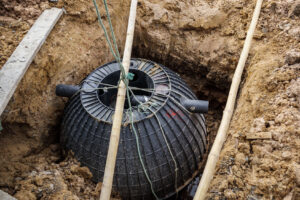
Don’t forget the “hidden” essentials that turn a shell into a home. Site levelling can cost thousands depending on your block’s slope; a flat surface is non-negotiable for both fixed foundations and trailer stabilisers. Septic systems, water tanks, and complex solar arrays add significant upfront expenses if you’re heading off-grid. These infrastructure choices can swing your total project budget by 20% or more, making it vital to plan for the “invisible” parts of your build before you commit to a specific model.
Fixed Small House Investment Profile
Foundations and connections to mains power represent a major portion of your initial investment for a fixed small home. However, this fixed status allows for long-term capital growth that mobile dwellings rarely see. You’re investing in real estate, not just a structure. Prefab and modular options are increasingly popular in 2026 because they offer price predictability. Since much of the work happens in a factory, you avoid the “budget creep” and weather delays often associated with traditional on-site construction.
The True Cost of Going Tiny on Wheels
For those choosing wheels, the trailer itself is a significant expense, often costing upwards of $10,000 for a high-quality, road-registrable base. Heavy tiny houses on wheels also require specialised towing vehicles or professional transport services every time you move, which adds to your ongoing operational costs. To manage the high cost of independence, many owners utilise off-grid solar loans to fund high-performance energy systems without draining their liquid savings. Maintenance is different too; you’ll swap traditional roof repairs for tyre checks and bearing greasing to keep your home roadworthy. You can get a quick quote online to see how these different paths affect your monthly repayments and overall project feasibility.
Securing Your Future with Little Home Loans
Rejection from a major bank can feel like a door slamming on your minimalist future. We’ve seen it happen to many Australians who have perfect credit and a solid plan but fall outside the rigid boxes of traditional lending. Whether you’re pursuing a small house tiny build or a sleek modular home, you deserve a finance partner who speaks your language. We specialise in bridging that gap, turning a frustrating “no” into a viable path forward for your unconventional project.
Our strength lies in our deep connection to the alternative housing subculture. By partnering with Alpha390 Finance, we gain access to flexible lending pools that understand the inherent value of movable assets and sustainable builds. We don’t just look at your application as a set of numbers; we look at the lifestyle you’re creating. This specialised focus allows us to navigate the complexities of asset finance and personal loans with a level of precision that general mortgage brokers simply can’t match. We demystify the process, making the financial side of your small house tiny dream feel accessible and secure.
Our Boutique Approach to Finance
We treat you as a partner in this journey, not just another loan application number in a database. Our boutique approach means we take the time to understand your specific site requirements, whether you’re parking on a family block or setting up a permanent modular retreat. We tailor loan terms to match the unique lifespan of alternative assets, ensuring your repayments stay as sustainable as your home. Having professional guidance is essential when you’re dealing with non-traditional structures that don’t fit the standard bank mould.
Take the Next Step Toward Your Little Home
Getting started is simpler than you might think. To assess your borrowing capacity, we’ll look at your income, existing assets, and the specific details of your chosen dwelling. Having your builder’s quote and a clear site plan ready will speed up the process significantly. We’ll help you organise your documents to ensure the best chance of a swift approval. It’s about giving you a fair go at a lifestyle that prioritises freedom over square footage. Start your journey today with a specialised finance assessment and find out how close your dream lifestyle really is.
Building Your Path to a Simpler Lifestyle
Choosing between a fixed foundation and a mobile trailer is the most significant decision you’ll make for your future home. You now understand how classification dictates everything from your council permits to your long-term capital growth. While small houses offer traditional stability, tiny houses on wheels provide unmatched freedom for the modern nomad. The small house tiny distinction is ultimately about aligning your housing choice with your financial reality and lifestyle goals.
As specialised alternative housing experts, we bridge the gap that traditional banks refuse to cross. Through our strategic partnership with Alpha390 Finance, we provide access to flexible asset finance options tailored specifically for unconventional dwellings. You don’t have to navigate the complex world of minimalist budgeting alone. Our boutique approach ensures you have a knowledgeable advocate by your side every step of the way.
Ready to fund your minimalist dream? Apply for a specialised loan now.
Your dream of a sustainable, intentional lifestyle is well within reach. We’re here to ensure the finance side of your journey is as streamlined and stress-free as your new home.
Frequently Asked Questions
Can I get a standard home loan for a tiny house on wheels?
You cannot secure a traditional residential mortgage for a tiny house on wheels because banks don’t classify movable structures as real property. Since the dwelling isn’t permanently fixed to land, it doesn’t provide the security traditional lenders require. Instead, you’ll need to look at specialised asset finance or personal loans. These options are designed for “chattel” assets and offer the flexibility you need for a mobile lifestyle.
What is the maximum size for a tiny house to be considered ‘movable’ in Australia?
To remain classified as a movable vehicle in Australia, your tiny house must generally adhere to road-legal dimensions. This typically means a maximum width of 2.5 metres, a height of 4.3 metres, and a total length including the trailer of 12.5 metres. Keeping your weight under 4.5 tonnes is also critical for standard towing. Exceeding these limits often requires special permits and changes your home’s legal status from a vehicle to a wide-load transport.
Do I need council approval for a small modular house on my own land?
You definitely need council approval and a Development Application (DA) for any small modular house fixed to a foundation. Even though the home is built off-site, its permanent installation on your land makes it a “building” under the law. You’ll need to comply with the National Construction Code and local planning schemes. This process ensures your small house tiny footprint build is legally recognised as a safe and permanent residence.
How much deposit is typically required for a tiny home loan?
Deposit requirements for tiny home loans are often more flexible than the standard 20% required for traditional mortgages. Because these are processed as asset finance or personal loans, your deposit amount will depend on your credit profile and the specific lender’s criteria. Some borrowers can secure funding with a minimal upfront contribution. This lower barrier to entry is one of the primary reasons the tiny house movement is surging in 2026.
Can I use a personal loan to buy a tiny house in Australia?
Using a personal loan is a very common and effective way to purchase a tiny house in Australia. Since these loans are often unsecured or secured against the dwelling itself, they bypass the complex land-valuation requirements of a mortgage. This path is particularly useful if you’re planning to park on a leased site or family land. It’s a straightforward strategy that allows you to own your home outright without the red tape of traditional property finance.
What happens if I want to move my tiny house to a different state?
Moving your tiny house across state lines is relatively simple as long as your trailer is road-registered and meets national towing standards. You’ll need to ensure your registration is updated if you’re staying in the new state permanently. However, the biggest challenge is the local council at your destination. Regulations vary between shires; you must verify that your new site allows for a movable dwelling before you hook up the hitch.
Are off-grid solar systems included in the finance package?
You can absolutely include off-grid solar systems in your finance package to ensure your home is fully self-sufficient from day one. Many owners choose to bundle the cost of panels, batteries, and inverters into their primary loan. Alternatively, specialised off-grid solar loans are available if you decide to upgrade your energy capacity later. This ensures your sustainable Aussie lifestyle isn’t hampered by the high upfront costs of high-performance energy technology.
How does the resale value of a small fixed house compare to a tiny house on wheels?
Resale values differ significantly because a fixed small house is tied to land, which traditionally appreciates over time. It’s viewed as a real estate investment that grows in value with the property market. A tiny house on wheels is a movable asset, similar to a high-end caravan or boat. While well-maintained tiny homes hold their value remarkably well due to high demand, they don’t benefit from the same land-based capital gains as permanent structures.