The Big Four banks might jump at the chance to lend you $800,000 for a suburban fixer-upper, but they’ll often close the door the moment you mention your dream home has wheels. It’s a common hurdle that leaves many Australians feeling stuck between a massive mortgage and a dream that feels out of reach. If you’re wondering how to get a loan for a tiny house in australia without the headache of traditional banking red tape, you’ve come to the right place. You aren’t alone in your frustration; trying to explain the legalities of a tiny house on wheels versus a modular build to a standard bank manager can feel like speaking a different language.
This guide is your roadmap to securing the keys to your new home. You’ll discover exactly how to master the 2026 lending landscape with total confidence, from choosing between asset finance and modular home loans to final approval. We’ll break down the specific loan types that actually work for alternative dwellings and give you a clear checklist of the documents you’ll need. By the end of this article, you’ll have the professional insights required to secure your finance and start your new lifestyle without the fear of sky-high interest rates or confusing legalities.
Key Takeaways
- Understand why traditional lenders view tiny homes as movable assets rather than real estate and how this shifts your strategy toward specialised finance.
- Discover the core differences between asset finance, personal loans, and modular loans to identify exactly how to get a loan for a tiny house in australia for your specific build.
- Follow a proven five-step application process designed to protect your credit rating while streamlining your path to settlement.
- Avoid financial surprises by budgeting for essential “hidden” costs like site preparation, utility connections, and off-grid infrastructure.
- Learn how a specialised broker acts as your advocate to navigate niche lending criteria that standard bank managers often overlook.
Why Traditional Mortgages Usually Decline Tiny House Applications
Banks love predictable assets. They want a post and rail fence, a fixed address, and a title deed they can hold onto. When you ask about how to get a loan for a tiny house in australia, you’re often met with a blank stare because most tiny homes don’t fit the “real property” box. For a standard 30-year mortgage, a lender needs securitised land as collateral. If the house isn’t permanently fixed to land you own, the bank doesn’t have a stable asset to sell if things go south. This mismatch between traditional banking rules and modern living is the primary reason most applications fall through at the first hurdle.
The Movable Asset Problem: Wheels vs. Foundations
The legal classification of your home changes the moment you add a trailer. Within the broader tiny house movement, many enthusiasts choose wheels for the freedom and flexibility they provide. However, finance companies view a Tiny House on Wheels (THOW) as “chattel” or a movable asset, much like a caravan or a car. Since you can hitch it to a ute and drive away, a bank cannot easily foreclose on it. They don’t want to be in a position where their security can literally disappear across the state border overnight. This is why they treat it as a motor vehicle rather than real estate, which significantly limits your borrowing options through traditional channels.
Minimum Loan Sizes and Security Requirements
Even if your tiny home is on a permanent foundation, you might still hit a wall with the Big Four banks. Most standard residential mortgages have a minimum floor of $150,000 to $200,000. Since a quality turnkey tiny home often sits between $70,000 and $120,000, your project falls into a “no-man’s land” for traditional lenders. It’s too small for a mortgage but often feels too large for a basic credit card. Learning how to get a loan for a tiny house in australia requires a shift in perspective away from the local bank branch and toward specialised solutions that understand the value of alternative dwellings.
Another major hurdle is the lack of Lenders Mortgage Insurance (LMI). LMI providers usually won’t touch unconventional builds or properties under a certain size. This leaves the lender taking on 100% of the risk themselves. When you combine this with complex local council zoning rules and varying energy ratings like NatHERS, most banks simply decide it’s too much work for a smaller loan. They prefer the safety of a standard four-bedroom brick-and-tile home in a registered suburb. Recognising these barriers isn’t about being discouraged; it’s about knowing exactly why you need a specialised approach to secure your finance.
Comparing Your Tiny House Finance Options in Australia
Choosing the right way to fund your project depends entirely on whether your dream has wheels or foundations. Understanding how to get a loan for a tiny house in australia starts with identifying the specific asset type you’re building. There are three primary pathways: Asset Finance, Personal Loans, and Modular Loans. Each comes with its own set of interest rates and requirements. Matching the loan term to the asset’s lifespan is vital for your long-term financial health, ensuring you aren’t paying for a home long after you’ve decided to upsize or move on.
Secured Asset Finance for Tiny Houses on Wheels (THOWs)
If your home is mobile, secured asset finance is often the most cost-effective route. This structure uses the tiny home itself as collateral for the loan, much like a traditional car or caravan loan. Because the lender has an asset to claim if payments stop, they can offer lower interest rates. As of May 2026, secured rates typically range from 6.49% p.a. to 12.99% p.a., which is significantly sharper than most unsecured options. These loans usually span five to seven years. You might also consider a balloon payment at the end of the term to keep your monthly cash flow manageable while you’re getting established.
Unsecured Personal Loans for Smaller Projects
Personal loans offer a high level of flexibility, making them ideal for DIY builds, second-hand units, or off-grid additions. Since the loan isn’t tied to the house, you can use the funds for land preparation, delivery fees, and the build itself without jumping through as many hoops. However, this freedom comes at a cost. Interest rates for unsecured loans currently range from 7.00% p.a. to 21.99% p.a., with the average rate sitting around 13.87%. Your credit score is the primary driver here. A stellar credit history will unlock the best rates, while a patchy record might make this path more expensive.
Modular and Kit Home Loans for Fixed Dwellings
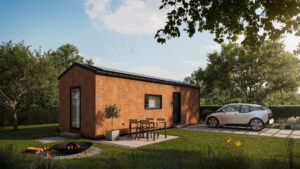
When you decide to fix your home to a permanent foundation, the finance landscape shifts. These structures must meet the National Construction Code (NCC) standards to be classified as legal “Class 1a” dwellings. Financing these projects often looks more like a traditional construction loan, where funds are released in stages as the build progresses. If you’re looking at a pre-built structure, exploring modular home financing australia can provide a structured pathway that standard banks often miss. This approach validates your choice as a legitimate residential investment rather than just a movable asset.
Every journey is unique, and finding the right fit requires a balance between your budget and your lifestyle goals. If you’re ready to take the next step, exploring your tiny home loan options with a specialist can help clarify which pathway suits your project best.
How to Secure Your Tiny House Loan: A 5-Step Process
Securing finance for an unconventional home requires a strategic approach. If you apply to multiple lenders at once, you risk damaging your credit score with several “hard” enquiries. Following a logical sequence is the best way to protect your financial profile while moving toward settlement. Pre-approval is the gold standard here; it gives you a clear budget before you start visiting display villages or falling in love with a specific floor plan. When you understand how to get a loan for a tiny house in australia, you can coordinate with your builder to ensure the funds are ready exactly when the chassis is built or the modular sections are delivered.
Step 1: Organise Your Paperwork and Financial Profile
Before you approach a lender, you need to get your financial house in order. Most lenders will require at least three months of payslips, your most recent tax returns if you’re self-employed, and up-to-date bank statements. They’ll also look for “genuine savings,” which proves you have the discipline to manage a loan. A vital tip for 2026 is to clean up your “Buy Now Pay Later” accounts at least three months before you apply. Even small, interest-free balances can reduce your borrowing capacity in the eyes of a credit assessor. For more general advice on managing your credit, you can refer to Moneysmart’s guide to home loans to understand how debt affects your applications.
Step 2: Choose a Licensed Builder and Finalise the Quote
Lenders generally prefer, and often strictly require, that you work with a licensed builder rather than attempting a pure DIY project. This is because a licensed professional provides a level of security and quality assurance that banks need to see. Your quote must be “finance-ready,” meaning it should clearly include GST, delivery fees, and detailed specifications of the build. It’s also essential to ensure the builder’s contract aligns with the lender’s progress payment schedule. If the builder wants 50% upfront but the lender only releases 20% at the start, you’ll face a stressful funding gap.
Step 3: Consult a Specialised Broker
A general mortgage broker might be excellent at standard home loans, but they often struggle with the niche requirements of alternative dwellings. They may not know which lenders on their panel actually accept tiny houses on wheels or modular structures as security. Consulting a specialist broker who understands the specific resale value of these assets can be the difference between an approval and a rejection. We negotiate with a specific panel of lenders who value the lifestyle-driven nature of your project. For a deeper look at the strategies involved in this niche market, check out our tiny home finance australia pillar. This sets the stage for the final steps: submitting your formal application and reaching settlement as your new home takes shape.
Budgeting for the “Hidden” Costs of Tiny Living
Don’t be misled by the attractive sticker price on a builder’s website. While a turnkey home might look like a bargain, that figure is only one part of your financial puzzle. Truly mastering how to get a loan for a tiny house in australia requires a holistic view of your entire project. You need to account for the ground it stands on, the way it handles waste, and how it generates power. By categorising your costs into “Dwelling,” “Infrastructure,” and “Land Prep,” you can avoid the stressful budget creep that often hits in the final weeks of a build.
Off-Grid Infrastructure and Solar Power Systems
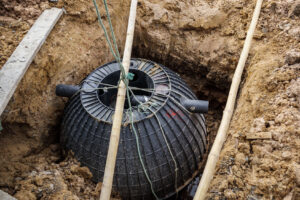
Living off the grid is a core goal for many, but the initial setup is a major investment. High-quality solar arrays and lithium battery storage systems are essential for a reliable lifestyle, especially if you plan to run air conditioning or high-draw appliances. You also need to factor in the cost of composting toilets and greywater treatment systems. These aren’t just “extras”; they are fundamental to making your home liveable. Fortunately, you can often include these sustainable assets in your finance package. Our specialised off-grid solar loans are designed to help you fund these technical requirements alongside your home build.
Land Preparation, Delivery, and Council Fees
Your tiny home needs a solid foundation, even if it’s on wheels. Land preparation can include anything from basic levelling and laying gravel pads to complex earthworks for drainage. If you aren’t going fully off-grid, you’ll also need to pay for service hook-ups for water and electricity. Delivery is another significant variable. While some builders include local transport, specialised towing for a 4.5-tonne house or crane hire for a modular unit can cost thousands. Finally, always set aside a portion of your budget for council planning advice or permit fees. These administrative costs vary wildly between regions, so doing your homework early is a smart move.
Planning for these expenses from the start ensures your loan covers everything you need to actually move in. If you want to see how these costs fit into a tailored finance plan, get a personalised quote today to secure your sustainable future.
Why a Specialised Broker is Your Best Path to Approval
When you’re ready to turn your compact living dreams into a reality, you need an advocate who speaks the language of both lifestyle and finance. Most people starting their journey ask how to get a loan for a tiny house in australia and head straight to their local bank branch. Unfortunately, standard bank managers are often bound by rigid policies that don’t allow for the flexibility your project requires. A specialised broker acts as your personal champion; they translate your unconventional vision into a professional application that highlights the quality and security of your new home.
This advocacy is crucial because it bridges the gap between a “risky” movable asset and a high-quality residential dwelling. We understand the resale value of tiny homes and the growing demand for sustainable living, which allows us to present your case in the best possible light. Beyond just the dwelling, a specialised broker provides a one-stop-shop experience. You can discuss your tiny home loan, off-grid solar finance, and asset finance in a single conversation, ensuring your entire project is funded cohesively without the stress of managing multiple lenders.
Accessing a Wider Panel of Niche Lenders
The Australian lending market is divided between “Tier 1” banks and specialist lenders. While the big banks often shy away from anything without a standard postcode and foundation, niche lenders thrive in this space. Many of these specialists only work through accredited brokers and don’t accept direct applications from the public. Little Home Loans leverages the extensive Alpha390 Finance network to access these exclusive panels. This connection allows us to find competitive rates and flexible terms that simply aren’t available at your local branch, giving you a distinct advantage in the approval process.
Tailoring Your Application for Alternative Housing
A credit assessor in a traditional bank might have never seen an application for a house on wheels. If your application isn’t packaged correctly, it’s likely to be declined simply because the assessor doesn’t understand the asset. We take the time to explain the concept, highlighting the professional build quality and the “green” credentials of your home. By focusing on sustainable features like solar arrays and energy-efficient materials, we can often access finance rates specifically designed for eco-friendly projects. This tailored approach ensures your loan is future-proof and structured to help you achieve your long-term lifestyle goals with total confidence.
Finding the right finance doesn’t have to be the hardest part of your tiny house journey. By partnering with a guide who understands the nuances of how to get a loan for a tiny house in australia, you can skip the frustration of bank rejections and move straight toward your new way of life. We’re here to make the unconventional feel secure, accessible, and entirely within your reach.
Take the First Step Toward Your New Lifestyle
Securing your slice of the tiny house movement doesn’t have to be an uphill battle against traditional banking policies. By identifying whether your home requires asset finance or a modular loan and accounting for off-grid infrastructure from day one, you’ve already cleared the biggest hurdles. You now have the roadmap for how to get a loan for a tiny house in australia with total clarity. The key to success lies in preparation and partnership; when you combine a finance-ready builder’s quote with the advocacy of a broker who understands the niche market, you turn a complex process into a simple, step-by-step journey.
We provide the specialised niche finance expertise and access to a wide panel of alternative lenders needed to support your dreams, including essential off-grid and sustainable infrastructure. Don’t let the clinical atmosphere of big banks hold you back from a more sustainable, intentional way of living. Start your journey with a specialised tiny home loan assessment today and see how accessible your new lifestyle can be. Your future home is closer than you think, and we’re here to help you open the door with confidence.
Frequently Asked Questions
Can I get a mortgage for a tiny house in Australia?
Standard residential mortgages are typically unavailable for tiny houses on wheels because lenders require land as security. If you are building a tiny home on a permanent foundation that complies with the National Construction Code, you may be eligible for a construction-style modular home loan. For mobile dwellings, specialised asset finance or personal loans are the standard pathways used by most Australians.
How much deposit do I need for a tiny home loan?
Most lenders prefer a deposit of 10% to 20% for secured asset finance to unlock the most competitive interest rates. While some unsecured personal loans allow for zero-deposit financing, having a contribution shows genuine savings and reduces your overall interest costs. A larger deposit also provides a helpful buffer against the initial depreciation of the asset.
What is the average interest rate for a tiny house loan in 2026?
Interest rates in May 2026 vary based on the loan’s security and your credit profile. Secured loans for tiny homes currently range from 6.49% p.a. to 12.99% p.a., while unsecured personal loans can range from 7.00% p.a. to 21.99% p.a. The average interest rate for personal loan requests on Money.com.au is currently 13.87%.
Can I use a personal loan to buy a tiny home?
Yes, using a personal loan is a popular and flexible way to fund your project. This is often the primary method for those researching how to get a loan for a tiny house in australia when the home is second-hand or a DIY build. Since the loan isn’t secured against the house, you can use the funds for delivery, solar kits, and site works without restriction.
Do tiny houses on wheels hold their value for lenders?
Lenders view tiny houses on wheels as depreciating assets, similar to high-end caravans or motorhomes. However, they often hold their value better than traditional caravans due to their residential build quality and the growing demand in the resale market. Choosing a well-known, licensed builder helps reassure lenders of the asset’s long-term worth during the assessment process.
Can I finance a DIY tiny house build?
Financing a DIY build is possible but typically requires an unsecured personal loan rather than asset finance. Most lenders won’t use a half-finished, self-built structure as collateral because they cannot easily value the security. If you are building yourself, focus on strengthening your personal credit score to access the best unsecured lending options available for your project.
Are there government grants for tiny houses in Australia?
Government grants like the First Home Owner Grant (FHOG) are available for tiny houses that are permanently fixed to land you own. In Queensland, the grant is $30,000 for contracts signed by June 30, 2026. Other states like New South Wales, Victoria, and Western Australia offer $10,000 grants for new builds that meet specific residential dwelling criteria.
What happens if I want to move my tiny home to a different state?
If your tiny home is on wheels, you can move it across state lines, but you must notify your lender of the new security location. Because a THOW is classified as a caravan, it must remain road-legal and comply with Australian Design Rules for transport. For fixed dwellings, the loan is tied to the land, which makes relocation a much more complex legal and financial process.