Modular & Prefab Home Finance
Your enquiry will be handled by the Alpha390 Finance broker team.
Why Choose Modular House Financing?
What is a modular home loan?
How modular home finance works in Australia
Completed modular homes vs construction-stage modular homes
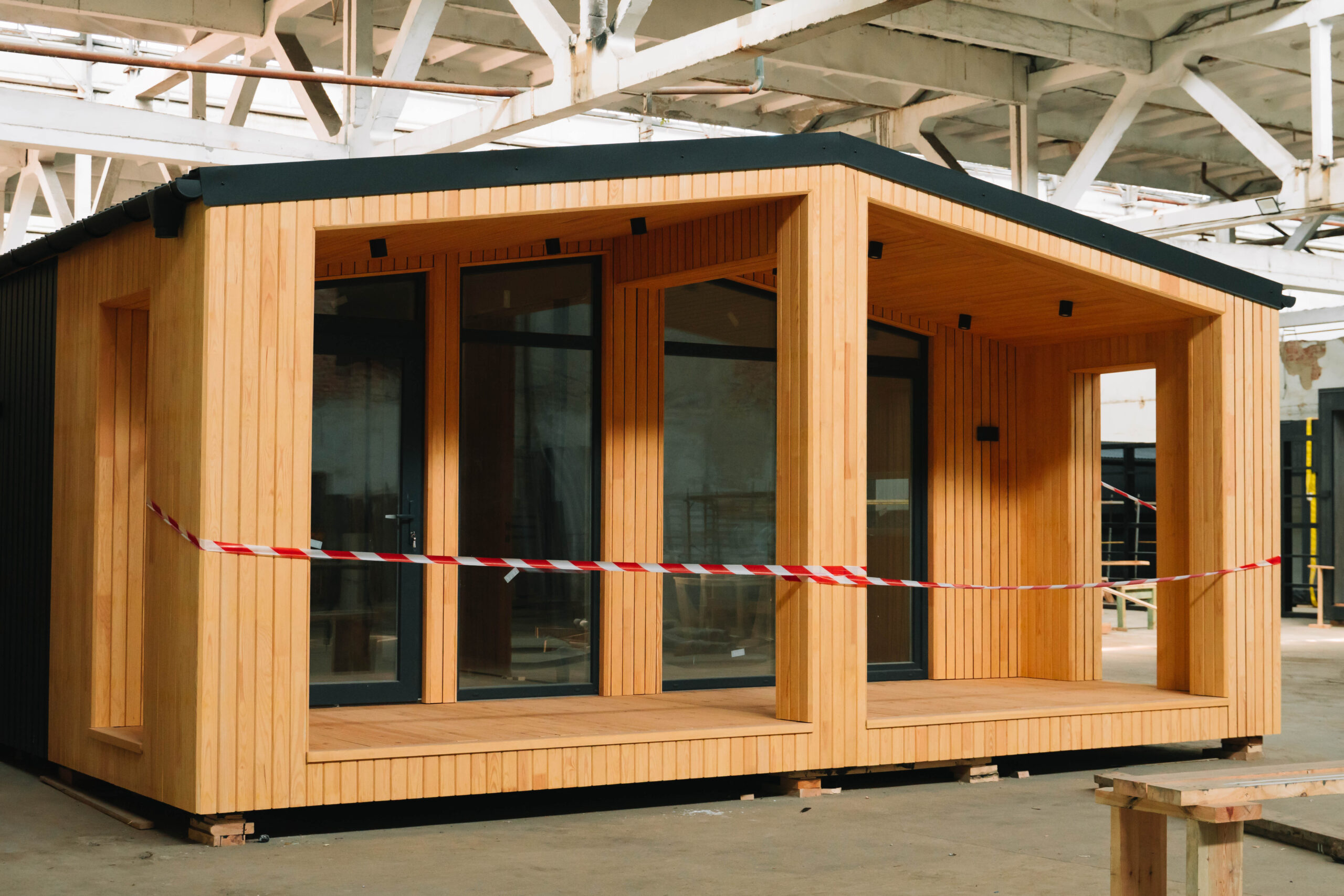
Construction-stage modular home — still being manufactured, or not yet fixed to land. Here the lender is funding construction loans for modular homes, releasing money across factory and on-site milestones. Fewer lenders do this, and they look closely at the builder, the contract and deposit protection — which is where a broker who knows the modular lender panel matters most.
Modular home loans, prefab home loans and construction loans — what’s the difference?
What modular home lenders look for
How much deposit do you need?
Land and security considerations
Are you eligible for modular home finance?
Common reasons modular finance applications get delayed
What Happens at Completion — Final Inspection, Certification and the Final Drawdown
Final certification depends on where you build
Your lender may have its own final-payment requirements
Plan the factory-to-site completion gap
What to have ready
Documents to prepare
How much does a modular home cost in Australia?
How Alpha390 helps
Planning your budget? See our 2026 cost & finance guide for tiny, modular and granny-flat homes — build-cost ranges plus a repayment calculator.
Modular home finance FAQs
Do banks finance modular homes in Australia?
Yes. A mix of major banks and specialist non-bank lenders offer modular and prefab-friendly finance, though their criteria differ from a standard mortgage. The key is matching your build to a lender that understands modular — which is what the broker team does.
How do modular home loans work?
For a completed modular home on titled land, it works much like an ordinary home loan. For one still being built, it’s usually a construction-style loan that releases funds across factory and on-site milestones.
How much deposit do I need for a modular home loan?
It depends on the lender and whether the home is completed or in build. Completed homes on land are assessed close to a standard loan; construction-stage modular finance often needs a larger contribution up front. We’ll give you a realistic figure for your build.
Can I get finance before my modular home is delivered?
Often yes — through a construction loan for modular homes that pays the manufacturer in stages. Lenders look closely at the contract, the builder and progress-payment protection.
What’s the difference between a modular home loan and a construction loan?
A modular home loan is the general term; a construction loan (or modular construction loan) is the staged-drawdown structure used while the home is still being built. Which you need depends on whether the home is finished and fixed to land.
Can I get a modular home loan with bad credit or self-employed income?
Frequently, yes — with the right lender. Self-employed and ABN buyers are common, and past credit issues don’t automatically rule you out. See our bad-credit and eligibility guides below.
Do lenders finance the land and the modular home together?
Some do, as a packaged purchase, though it narrows the lender pool and depends on the land and the build contract. We’ll tell you which lenders consider it.
Are modular homes harder to finance than standard homes? It depends on the foundation and certification. A permanently fixed, certified modular home finances much like a standard home; relocatable builds are harder and need a specialist lender.
Do banks lend on relocatable or transportable homes? It is harder because the home is not permanently fixed. Specialist lenders do fund them — see our relocatable and transportable home finance guide.
Do banks actually lend on modular homes?
Yes — but the way it works depends on the build. A modular or prefab home fixed to your land on a permanent foundation is generally treated like any other house, so a standard home or construction loan can apply. The complication is timing: modular builders usually ask for staged progress payments while the home is still being built in the factory, and not every lender will release funds against a dwelling that isn't yet fixed to the land. That single issue — funding a home before it's on site — is the main reason a modular finance application differs from a conventional one.
| Traditional home loan | Modular / prefab finance | |
|---|---|---|
| Security | House already fixed to land | Home built off-site, fixed on completion |
| Payments | Single settlement | Staged deposits to the builder, balance on completion |
| Lender pool | Most lenders | Fewer lenders; specialist/broker help matters |
| Valuation | On existing property | Often on completion / as-if-complete |
Explore modular home finance
Dig deeper with our guides to modular home costs, modular home loan eligibility, and modular financing in Brisbane.
Modular, prefab, kit and flat-pack — which finance applies?
These terms are often used interchangeably, but the construction method, security and stage of completion can affect how a lender assesses the property and which finance structures may be available.
- Modular home — factory-built volumetric modules transported to site and assembled or craned into position. This is the primary subject of this page.
- Prefab home — the broader umbrella term for homes substantially manufactured off site. The appropriate finance treatment depends on whether the build is modular, panelised, kit-based or another construction system.
- Kit home — supplied as components and materials for assembly on site. Depending on the build contract, the borrower and the lender, this may require construction-style or owner-builder finance rather than being assessed like a completed conventional dwelling. See kit home finance.
- Flat-pack home — a kit and panelised construction variant. It may be assessed similarly to other kit-home builds depending on the project and the lender. See flat-pack homes in Australia.
- Relocatable or transportable home — a completed or substantially completed home moved to site. Finance and security treatment can depend on factors such as whether it becomes permanently fixed to land, ownership of that land and lender policy. See relocatable and transportable home finance.
- Prefab granny flat — a factory-built secondary dwelling. Available finance may involve existing property equity, construction-style finance or another structure depending on the property and the application. See prefab granny flat finance.
Modular and prefab home finance covers factory-built homes assembled on your land. It differs from a standard construction loan: the build runs to a fixed-price contract, funds are released against staged or completed milestones, and the home must be certified and (for the best finance terms) fixed to a permanent foundation.
How modular home finance works
You generally need a deposit, a valuation on the modular build, and a lender comfortable with staged or on-completion funding. Where you also buy the land, a land-plus-construction structure funds both together.
What modular finance lenders look for
| Factor | What lenders want to see |
|---|---|
| Contract | Fixed-price build contract with a certified builder |
| Foundation | Permanent fixing preferred; relocatable is harder |
| Land | Land ownership or a land-plus-build package |
| Deposit / LVR | Typically 20%+ deposit; varies by lender |
Explore our modular finance guides
- Modular home cost in Australia
- Modular home loan eligibility checklist
- Modular home loan with bad credit
- Prefab homes Australia guide
- Modular home financing — Brisbane
- Buying a modular home — finance guide
- Financing a relocatable or transportable home
- Tiny, modular & granny cost guide
This is general information only and does not constitute credit or financial advice. Lending is subject to approval, lending criteria, terms, conditions and fees. Australian Credit Licence 506065 (Five Tees Pty Ltd).