What if your next high-yield investment property cost less than a standard home deposit but delivered a significantly higher return on capital? With traditional property prices locking many out of the market and major banks often refusing to lend on non-fixed structures, savvy investors are shifting their focus toward more agile assets. Maximising tiny home rental income australia has become a powerful strategy in 2026, offering a way to bypass the high barriers of the standard housing market while tapping into a sector seeing demand surges of over 370 per cent in regions like Queensland.
You probably agree that the current rental climate demands innovative solutions, yet understanding council regulations and securing reliable finance remains a constant challenge. This guide promises to clear the fog, showing you exactly how to turn a compact dwelling into a high-performance asset. We’ll explore current weekly yields, state-specific rules for secondary dwellings, and the path to securing specialised tiny home loans or asset finance that traditional lenders simply don’t offer.
Key Takeaways
- Compare short-stay and long-term yields to find the best fit for your cash-flow goals and maximise tiny home rental income australia.
- Understand why asset finance and personal loans are the preferred tools for savvy investors over traditional, restrictive residential mortgages.
- Learn how off-grid solar loans can remove utility costs from your balance sheet, directly increasing your net rental margins.
- Demystify the “grey area” of council regulations with a state-by-state breakdown of compliance requirements for mobile and fixed dwellings.
- Access a step-by-step strategy for identifying high-yield opportunities and fast-tracking your investment with the right finance partner.
Table of Contents
- Why Tiny Homes are Australia’s High-Yield Rental Frontier in 2026
- Calculating Your Returns: Short-Stay vs. Long-Term Rental Yields
- Navigating Tiny Home Finance: Asset Loans vs. Traditional Mortgages
- Maximising Net Income: Off-Grid Benefits and Council Compliance
- Securing Your Investment: The Path to Tiny Home Rental Success
Why Tiny Homes are Australia’s High-Yield Rental Frontier in 2026
The Australian property market has reached a definitive crossroads in 2026. While traditional houses in capital cities often require a seven-figure commitment, the potential for tiny home rental income australia is drawing a new wave of yield-focused investors. We’re seeing a fundamental shift from the old “buy and hold” capital growth strategy toward cash-flow-positive assets. With the RBA cash rate sitting at 4.35 per cent, investors are prioritising immediate monthly returns over the hope of long-term price appreciation in stagnant suburban markets.
Tiny homes represent a unique “diversification play” for anyone with existing land. Whether it’s a rural acreage or a large suburban backyard, adding a compact dwelling allows you to monetise underutilised space without the massive overheads of a full-scale subdivision. This entry point is particularly attractive when you compare a $60,000 to $180,000 investment to the median house price in Melbourne or Sydney. You aren’t just buying a building; you’re securing a high-performance rental unit that can often pay for itself in a fraction of the time a standard mortgage would require.
The Rise of the Experiential Rental Market
Modern travellers have moved beyond the sterile walls of traditional hotels. There is a booming demand for “unique stays” that offer a connection to nature and a minimalist escape from city life. This trend is a core pillar of the broader tiny house movement, where eco-friendly living and architectural creativity meet. City dwellers are actively seeking out off-grid experiences to reset, making these properties some of the highest-performing listings on short-stay platforms. By offering a curated, sustainable lifestyle, you can often command nightly rates that rival luxury apartments at a much lower capital cost.
Tiny Homes vs. Traditional Investment Properties
The financial math is hard to ignore. A traditional investment property often leaves you “negatively geared,” relying on tax breaks to survive the monthly mortgage payments. In contrast, tiny homes are designed for high-yield efficiency. Because the entry price is lower, your debt-to-income ratio is far more favourable. Maintenance is also simplified; there are no sprawling gardens to prune or massive rooflines to repair. Perhaps the biggest advantage is mobility. If a specific rental market cools down or council regulations change, you have the flexibility to move your asset to a higher-demand location, protecting your tiny home rental income australia in a way a fixed house never could.
Calculating Your Returns: Short-Stay vs. Long-Term Rental Yields
Success in this niche depends on matching your property to the right guest profile. To accurately project your tiny home rental income australia, you need to weigh up the high-octane returns of the holiday market against the reliable, low-maintenance nature of long-term leasing. Each path requires a different financial outlook. Before you sign any contracts, it’s vital to factor in the true tiny house cost in 2026, ensuring your ROI calculations account for site preparation and delivery alongside the purchase price.
The 2026 Federal Budget introduced specific clarifications regarding negative gearing for movable dwellings. Unlike traditional fixed real estate, tiny homes on wheels are often classified as depreciating assets. This means while you can still offset certain expenses, the way you claim interest and depreciation differs from a standard brick-and-mortar house. It’s a strategic nuance that can actually work in your favour if you’re looking for faster write-offs in the early years of your investment.
Short-Stay Strategy: Maximising Your Nightly Rate
If your property is located near a tourist hotspot or offers a stunning natural backdrop, the short-stay market is where your yields can truly skyrocket. In 2026, premium tiny stays often command between $250 and $450 per night, depending on their “Instagrammability” and unique features like outdoor baths or off-grid tech. You must account for seasonal dips and the 20 to 30 per cent management fee typically charged by specialised co-hosts. High turnover also means higher cleaning costs, but for many, the significantly higher tiny home rental income australia potential makes the extra effort worthwhile.
Long-Term Leasing: The Set-and-Forget Approach
For those seeking stability, long-term leasing to essential workers or digital nomads is a burgeoning market. With median weekly rents in Victoria reaching $550 in early 2026, a tiny home can provide a competitive, high-quality housing option. Recent updates to Victorian government building regulations have made it easier to rent out small second dwellings on existing lots, providing a clear legal framework for permanent residency. This approach eliminates the “holiday” marketing grind and ensures a steady, predictable cash flow into your bank account every single week.
Choosing the right strategy is personal, but having the right funding in place is universal. If you’re ready to explore how a tailored loan could kickstart your project, looking into specialised finance options is a great next step.
Navigating Tiny Home Finance: Asset Loans vs. Traditional Mortgages
Most investors walk into their local bank branch expecting a standard residential mortgage for their tiny project, only to be met with a quick rejection. Because tiny houses on wheels (THOWs) are mobile, major banks classify them as chattel or personal assets rather than fixed improvements to land. This classification is the primary reason traditional lending fails, but it’s also where specialised tiny home finance australia becomes your greatest asset. By moving away from the rigid world of mortgages, you gain access to funding that understands the unique nature of your investment.
When you treat your project as a business or investment vehicle, the finance structure changes to your advantage. Asset finance allows you to secure the loan against the dwelling itself. This setup provides significantly more flexibility than a 30-year mortgage. You can often choose repayment terms that align with your projected payback period, ensuring your tiny home rental income australia covers the debt efficiently. It’s a faster, more agile way to build a property portfolio without the heavy anchors of traditional debt. Approvals often happen in days rather than months, letting you secure a builder’s slot and start earning sooner.
Understanding the Chattel Mortgage for Investors
For GST-registered investors, a chattel mortgage can be a powerful tool. You may be able to claim the GST on the purchase price in your next BAS, providing an immediate cash-flow boost for your project. If you’re looking at an entry-level unit or a DIY build, a personal loan might offer the simplest path forward. These options don’t always require the asset as security, which can be helpful if you’re still organising your site. We help you choose the path that protects your capital while maximising your net returns.
The Role of Specialised Finance Brokers
Major lenders struggle with unconventional housing because they don’t have a “box” for it. We act as your knowledgeable advocate, bridging the gap between your vision and the lender’s technical requirements. We help you prepare an application that highlights your rental income projections and serviceability, proving that your alternative dwelling is a viable, income-generating asset. By matching your specific needs with a lender who validates unconventional housing, we make the financial process feel accessible and secure rather than a stressful hurdle.
Maximising Net Income: Off-Grid Benefits and Council Compliance
Net yield is what actually lands in your bank account after the bills are paid. One of the smartest ways to protect your tiny home rental income australia is to decouple your property from the rising costs of traditional utilities. By investing in self-sufficient infrastructure, you transform a monthly liability into a fixed capital asset. This is where off-grid solar loans provide a strategic advantage. Instead of paying a utility provider every quarter, you’re paying down a loan for a system that adds permanent value to your dwelling.
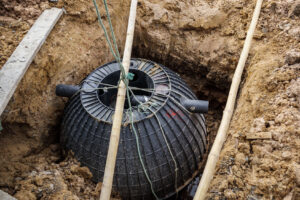
Infrastructure like grey-water systems and composting toilets might seem like technical details, but they significantly boost rental appeal for the eco-conscious market. These features allow you to place your asset in remote, high-demand locations where traditional plumbing isn’t an option. By expanding your possible locations, you increase your potential for premium nightly rates while keeping your overheads remarkably low.
Eliminating the Utility Bill Burden
Tenants in 2026 are increasingly eco-conscious and budget-aware. They are often willing to pay a premium nightly or weekly rate for a “zero-cost” energy lifestyle. A robust solar and battery setup doesn’t just eliminate the power bill; it acts as a powerful marketing differentiator. In a crowded rental market, being the “sustainable choice” helps maintain high occupancy rates. When you fund these systems through specialised solar finance, the repayments are often offset by the additional rental premium you can charge, making the ROI clear from day one.
Council Approvals and Legal Placement
The legal landscape for tiny homes remains a patchwork of local and state rules. Understanding whether your unit is classified as a “caravan” or a “secondary dwelling” is essential for long-term security. For instance, in New South Wales, a tiny home on wheels can often stay on a property with an existing house for up to 60 days a year without council approval, provided specific conditions are met. Conversely, states like Victoria and South Australia allow secondary dwellings up to 60 square metres, but these are subject to building regulations. Protecting your tiny home rental income australia requires a solid grasp of these regional nuances.
Navigating this “grey area” requires a proactive approach. We recommend working with planning consultants to ensure your placement is compliant before you welcome your first guest. This diligence also makes your asset easier to insure. Securing coverage against fire, flood, and theft is much simpler when you can prove the dwelling meets local safety standards. Protecting your investment means looking at the big picture, from the solar panels on the roof to the legal paperwork in the drawer.
Ready to secure the funding for your sustainable investment? Apply for your specialised loan today and start building your off-grid rental portfolio.
Securing Your Investment: The Path to Tiny Home Rental Success
Turning your vision into a reality requires a move from the planning phase into the execution phase. While the prospect of tiny home rental income australia is exciting, the most successful investors are those who treat their project like a professional business from day one. This begins with a clear financial roadmap. Securing pre-approval is your most critical first step; it gives you the confidence to negotiate with builders and secures your place in their production queue, which can often be months long in the high-demand 2026 market.
For many, a personal loan to buy a tiny home offers the speed and simplicity needed to fast-track an investment. This is particularly useful if you’re looking to purchase a display model or a pre-built unit that is ready for immediate delivery. Once your funding is in place, you can focus on the structural side of your business. This includes registering for an ABN and ensuring your insurance policy explicitly covers commercial rental activities. Don’t overlook this detail; standard residential insurance often won’t protect you if the property is being used as a primary income source.
Building Your Investment Team
You don’t have to do this alone. A successful launch depends on a specialised team that understands the alternative housing space. This includes a proactive accountant who can help you navigate GST claims on your asset purchase and a quality builder who provides comprehensive warranties for rental use. Your finance broker acts as the guide, ensuring your loan structure supports your long-term goals. Don’t forget the importance of site organisation; guest access and privacy are the two factors that will most influence your 5-star reviews and repeat bookings, directly impacting your tiny home rental income australia.
The 2026 Launch Checklist
As you approach your launch date, your focus should shift to visibility and operations. Finalising your asset loan and settling with your builder is just the beginning. To maximise your returns, list your property on high-traffic platforms like Airbnb or Tiny Away, using professional photography that highlights your unique off-grid features. The final piece of the puzzle is automation. By using smart locks and automated guest messaging, you can transform your tiny home from a hands-on job into a truly passive income stream that works for you. With the right finance and a solid plan, your compact investment is ready to deliver outsized results.
Ready to Build Your Yield-First Portfolio?
Tiny home investment in 2026 has evolved into a sophisticated, high-performance strategy for the modern investor. You’ve seen how the strategic combination of unique guest experiences and off-grid infrastructure can significantly boost your tiny home rental income australia. By choosing specialised asset finance over restrictive traditional mortgages, you gain the agility needed to secure faster payback periods and superior net yields. Success in this space is about more than just a beautiful building; it’s about having a dedicated financial partner who understands the nuances of alternative dwellings.
We are here to act as your knowledgeable advocate, providing access to Australia’s leading alternative lenders who validate your unconventional vision. Our supportive boutique service is designed to demystify complex financial processes, ensuring you have the professional connections and technical know-how to make your niche dream a practical reality. We offer specialised finance for non-traditional structures that major banks often overlook, focusing on your potential rather than just standard boxes.
Calculate your tiny home loan options and start earning today. Your journey toward a high-yield, sustainable rental asset starts with a single, empowered step. Let’s make it happen together.
Frequently Asked Questions
Can I get a traditional mortgage for a tiny home rental in Australia?
Traditional mortgages are rarely available for tiny homes on wheels because they aren’t fixed to the land. Most major lenders classify these as personal assets or caravans rather than real estate. To fund your project, you’ll generally need to look at specialised tiny home loans or asset finance. These options are designed for movable dwellings and offer the flexibility required for non-traditional investment structures that banks often overlook.
Is tiny home rental income taxable in the 2026 financial year?
Yes, all revenue generated from your property is considered assessable income by the ATO in the 2026 financial year. This applies to both long-term leases and short-stay platforms like Airbnb. You must declare this income on your tax return, but you can often claim deductions for interest on your loan, maintenance, and depreciation of the dwelling itself. It’s best to consult a specialised accountant to maximise your tax-effective position.
How much can I realistically charge per night for a tiny home Airbnb?
Premium tiny stays in Australia typically command between $250 and $450 per night. Your final rate depends on the location, the level of “Instagrammability”, and unique features like off-grid tech or outdoor baths. High-demand areas near national parks or coastal regions often see higher occupancy. Consistently managing your tiny home rental income australia involves balancing these nightly rates with seasonal demand to ensure a high annual yield.
Do I need council approval to rent out a tiny house on my property?
Council requirements vary significantly across Australia, so you must check with your local authority before welcoming guests. For example, NSW allows a tiny home on wheels on a property with an existing house for up to 60 days a year under certain conditions. However, permanent occupation or long-term rental usually requires specific approvals or classification as a secondary dwelling, especially for units on fixed foundations or those exceeding 60 square metres.
What insurance do I need for a tiny home being used as a rental?
You need specialised landlord insurance that specifically covers alternative dwellings and commercial rental activities. Standard residential policies often exclude short-stay rentals or non-fixed structures. Your policy should protect against fire, flood, and theft, while also providing public liability cover for your guests. Securing this coverage is often easier when your tiny home meets recognised building standards or is placed in a council-approved location on your land.
Can I use a personal loan to finance a tiny home for investment purposes?
You can certainly use a personal loan to finance a tiny home for investment purposes. This is a popular choice for investors who want a fast-tracked approval process or are purchasing a unit without a fixed foundation. Personal loans are often unsecured, meaning they don’t require the dwelling as collateral, providing extra flexibility if you’re still organising your site or planning to move the asset between different locations in the future.
How does off-grid solar impact the rental yield of a tiny house?
Off-grid solar significantly boosts your net rental yield by eliminating ongoing electricity costs. In 2026, tenants frequently pay a premium for sustainable, “zero-cost” energy living, which allows you to increase your nightly or weekly rates. By funding these systems with off-grid solar loans, you replace a recurring utility expense with a fixed asset repayment, eventually leading to a higher profit margin once the equipment is fully paid off.
Are there specific grants for tiny home investors in 2026?
There are currently no specific national grants exclusively for tiny home investors in 2026. However, you may be eligible for state-based sustainability incentives or small business grants if your rental operates as a registered tourism venture. Some regional councils also offer pilot program incentives to encourage alternative housing solutions. It’s worth checking with your local state government or tourism body to see if your specific project qualifies for any regional development funding.