Did you know that demand for tiny homes in Queensland has surged by a staggering 373%? You’ve likely felt the pull of a simpler, more intentional lifestyle, yet the path to your own tiny dwelling often feels blocked by rigid banking rules and confusing council jargon. It’s frustrating when traditional lenders treat your dream like a risky outlier rather than a sustainable housing future.
We believe your lifestyle choices should be celebrated, not sidelined. This guide will show you exactly how to turn your vision into a reality by demystifying legal hurdles and helping you secure the specialised finance you need. You’ll discover the critical differences between wheels and foundations, map out a clear financial roadmap using asset finance or off-grid solar loans, and learn how to select the perfect structure for your unique patch of Australia.
Key Takeaways
- Identify the critical differences between Tiny Houses on Wheels (THOWs) and modular designs to select the structure that best fits your lifestyle.
- Demystify the legal landscape by learning how your tiny dwelling classification impacts council approvals and land use across different Australian states.
- Discover why traditional mortgages often fall short and how to leverage specialised asset finance to secure your funding.
- Build a comprehensive financial roadmap that accounts for the unique costs of alternative living, including off-grid solar setups.
- Streamline your journey by connecting with a boutique panel of lenders who truly understand and value the unconventional housing movement.
What is a Tiny Dwelling? Defining the Australian Movement
In the Australian context, a tiny dwelling is defined as a self-contained, small-scale residential structure, typically occupying less than 50 square metres of floor space. While the concept originally gained traction through the tiny house movement, it has evolved far beyond a niche architectural experiment. Today, it represents a deliberate shift toward financial freedom and environmental responsibility. You aren’t just choosing a smaller room; you’re choosing a lifestyle that prioritises experiences over square footage.
The term “dwelling” is particularly significant because it bridges the gap between different asset classes. Whether your structure is on a fixed foundation or a custom trailer, using the word “dwelling” signals its status as a primary or secondary residence. This distinction is vital for your legal and financial journey. It helps you move past the “caravan” label and positions your home as a legitimate housing solution with its own set of compliance standards and specialised finance opportunities. By reducing your physical footprint, you unlock lower entry costs and a level of flexibility that traditional brick-and-mortar homes simply cannot match.
Tiny Houses vs. Traditional Small Homes
The primary difference lies in mobility and scale. Traditional small homes are often permanent fixtures on land, whereas many tiny dwellings are designed for relocation. You’ll find that most traditional banks are reluctant to offer a standard mortgage for any property under 60 square metres. This creates a hurdle for those seeking minimalism, as the banking sector often struggles to categorise these compact spaces. Choosing a tiny structure requires a psychological shift; you are trading excess space for a life free from the weight of a thirty-year debt, embracing a future where your home supports your goals rather than dictating them.
The Economic Drivers in 2026
As we move through 2026, the Australian housing affordability crisis continues to push people toward innovative solutions. A tiny dwelling offers a practical way to enter the property market or add value to an existing block as a secondary residence, often called a “granny flat.” We are also seeing a rise in “rentvestors.” These savvy individuals live in a tiny home to keep costs low while renting out a larger property; others install a tiny unit on their land to generate high-yield rental income. With demand for alternative housing surging by triple digits in some states, the economic case for going small has never been stronger.
Types of Tiny Dwellings: Wheels, Skids, and Modulars
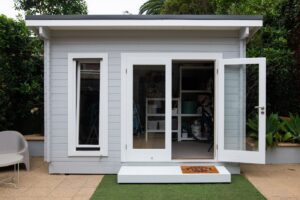
Selecting the right structure for your tiny dwelling is the moment your dream begins to take a tangible shape. It isn’t just about the floor plan; the base you choose dictates your legal path, your mobility, and your funding options. While many are drawn to the rustic charm of timber-framed cabins, others prefer the rugged, industrial-chic appeal of shipping container conversions. These containers are incredibly durable and relatively easy to transport, making them a popular choice for rural blocks. If you need something semi-permanent, skid-mounted units provide a sturdy alternative. They don’t have wheels, but they sit on heavy-duty steel runners, allowing them to be moved by a crane or tilt-tray when life calls you elsewhere.
Tiny Houses on Wheels (THOWs)
Tiny Houses on Wheels (THOWs) offer the ultimate in lifestyle flexibility. Because they sit on a trailer, they’re generally treated as caravans by state transport authorities. This classification is a significant advantage if you want to avoid some of the more rigid building codes, but it comes with strict physical limits. You must ensure the total weight stays under 4.5 tonnes to comply with Australian Design Rules for standard towing. Since these units aren’t considered real estate in the traditional sense, you won’t be able to get a standard mortgage. Most enthusiasts find success by financing a tiny home using asset finance, where the loan is secured against the dwelling itself. If you’re eager to get moving, looking into specialised Tiny Home Loans can help you understand your borrowing power early on.
Modular and Kit Dwellings
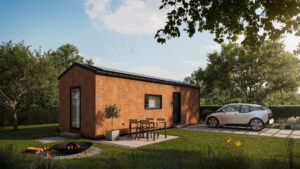
Modular and kit dwellings are perfect for those who want a permanent sanctuary. These structures are built in a controlled factory environment and then delivered to your land in sections. Unlike their mobile cousins, modular homes are usually installed on fixed foundations, meaning they must comply with Class 1a building standards under the National Construction Code. This path requires more interaction with your local council, but it results in a tiny dwelling that feels and functions like a traditional house. Financing a modular project is a unique process. Lenders typically structure these as modular home loans with progress payments. This means they release funds to the builder as specific milestones are reached, ensuring your investment is protected throughout the construction phase.
Navigating the Legalities: Councils and Compliance
Understanding the legal framework for your tiny dwelling is often the most daunting part of the journey. It’s frequently described as a “grey area” because rules change the moment you cross a shire boundary. While some regions embrace alternative housing, others still rely on outdated bylaws. This inconsistency is a major hurdle, as highlighted in the Australian Tiny House Association submission to the federal government. However, the landscape is shifting. Progressive councils are beginning to recognise that smaller footprints are a vital part of the housing solution.
One of the most common fears is the threat of eviction. You’ve likely heard stories of people being told to move their homes because of local complaints. The key to peace of mind is knowing whether your home is legally a “caravan” or a “Class 1a dwelling.” If your home is on wheels, it’s generally governed by caravan legislation, which often limits how long you can stay in one spot. If it’s on fixed foundations, it must meet the National Construction Code (NCC) standards just like a standard house. Some areas are leading the way with innovative trials. For instance, the Surf Coast Shire in Victoria is running a pilot program until December 2026 that allows tiny houses on wheels to be used as secondary dwellings on private land. This shows that the tide is turning toward more flexible living arrangements.
Local Government Area (LGA) Basics
Before you commit to a purchase, talk to your local council’s planning department. Ask specifically about “ancillary dwellings” or secondary residence permits. Many suburban backyards can legally host a small unit if it’s used by a family member or as a home office. You might also consider hiring a private certifier. These professionals understand the nuances of the law and can often streamline the approval process more efficiently than a general council enquiry. They’ll help you distinguish between a temporary occupation permit and the requirements for permanent residency.
Compliance and Building Codes
Safety is non-negotiable. If you’re building a fixed tiny dwelling, it must comply with the NCC. This includes meeting specific Bushfire Attack Level (BAL) ratings if you’re moving to a regional or semi-rural area. In Victoria, all new fixed tiny homes must now achieve a minimum 7-star NatHERS rating for energy efficiency. You also need a clear plan for waste. Whether you choose a composting toilet or a greywater filtration system, your setup must meet local health and environmental standards to ensure your off-grid dream doesn’t hit a legal dead end.
How to Organise Finance for Your Tiny Dwelling
Securing funding for your project is often where the dream meets the reality of the Australian banking system. Most traditional lenders are geared toward standard brick-and-mortar homes on large blocks of land. If your tiny dwelling is under 60 square metres or sits on wheels, a standard residential mortgage is usually off the table. Banks view these as “non-standard” assets, which can lead to immediate rejections from the big four. However, this doesn’t mean your journey ends here. It simply means you need a specialist approach that recognises the value of alternative housing.
Asset finance is one of the most effective ways to secure a high-quality build. In this scenario, the loan is secured against the dwelling itself, similar to how a vehicle loan operates. This is particularly useful for Tiny Houses on Wheels (THOWs) or high-end modular units. For those choosing a prefab structure on a fixed foundation, specialised modular home loans are designed to handle the unique construction milestones. These products allow for progress payments to the builder, ensuring the cash flow remains steady as your home moves from the factory floor to your site.
The Application Process
Getting your finances in order requires a logical, step-by-step approach. You’ll need to start by polishing your credit score and having a clear idea of your deposit. Next, choose a reputable builder and obtain a formal, itemised quote. Lenders in this space want to see exactly what they are financing, so a detailed specification list is essential. Finally, consult a specialist broker who understands the alternative housing market. They can match your specific needs with a lender from a boutique panel that actually understands the lifestyle you’re building.
Asset Finance vs. Personal Loans
The choice between secured and unsecured funding often comes down to your build type and your long-term goals. Asset finance typically offers lower interest rates because the lender has the security of the dwelling. On the other hand, personal loans provide a lump sum that you can use with more freedom. A personal loan to buy a tiny home australia offers more flexibility for DIYers who need to purchase materials from multiple suppliers rather than paying a single builder. While the interest rates might be slightly higher, the lack of asset security means you own the structure outright from day one. If you’re ready to see which path fits your budget, you can explore our specialised tiny home loans to get a clear picture of your options.
Starting Your Journey with Little Home Loans
Choosing a tiny dwelling is a bold step toward a more intentional life, but you shouldn’t have to navigate the financial side alone. At Little Home Loans, we’ve built our reputation on understanding the nuances of the alternative housing movement. We don’t see your project as a “non-standard” risk. We see it as a sustainable future that deserves professional, flexible support. By partnering with us, you gain access to a boutique panel of lenders who actually understand the value of these structures, whether they’re on wheels or fixed foundations.
Our team streamlines the entire process, from your initial pre-approval through to the final settlement. We handle the heavy lifting of the paperwork, ensuring the lenders see the full potential of your vision. This specialised expertise means we can often find solutions where traditional banks only see obstacles. We’re here to act as your advocate, making sure your financing is as efficient and streamlined as the home you’re planning to build. Our goal is to make unconventional finance feel secure and accessible, allowing you to focus on the design and lifestyle aspects of your build.
Beyond the Dwelling: Off-Grid and Solar
Achieving true energy independence often involves significant upfront investment in solar arrays and battery storage. These “hidden” costs can catch many by surprise, but they’re essential for a functional off-grid lifestyle. We can help you bundle these expenses into your overall funding package. Learning how off-grid solar loans can be integrated with your dwelling finance allows you to build a home that is truly self-sufficient from day one. It’s about more than just a roof over your head. It’s about securing the infrastructure that powers your freedom and reduces your ongoing living expenses for years to come.
Your Next Steps
Your journey starts with a clear, realistic budget. We recommend reviewing the latest data on tiny home loan costs australia to understand the current market landscape. Once you have a handle on the numbers, the next step is to organise a consultation with our specialist brokerage team. We’ll work with you to demystify the lending criteria and map out a path that fits your unique goals. The life you’ve been dreaming of is within reach. It all begins with a small footprint and the right financial partner by your side.
Your Path to a Simpler Lifestyle Starts Today
Building your own tiny dwelling is a powerful way to reclaim your time and financial independence. Success in this movement lies in mastering the details, from choosing the right structural base to navigating the specific regulations of your local shire. You don’t have to fit into a traditional banking box to secure a high-quality home. With the right legal knowledge and a clear financial roadmap, the hurdles that once seemed daunting become simple, manageable steps toward your new life.
We specialise in bridging the gap where traditional lenders fall short. Through our partnership with Alpha390 Finance, we provide expert brokerage for non-traditional structures and specialised finance for off-grid and modular living. You deserve a partner who understands that your dream is about more than just square metres; it’s about the freedom you want to enjoy. Our team is ready to help you navigate every step of the lending process with ease and confidence.
Ready to fund your dream? Organise your tiny home finance with our expert team today.
Your future is waiting, and we’re here to help you build it on your own terms. Let’s make that small footprint a reality.
Frequently Asked Questions
Can I get a standard mortgage for a tiny dwelling in Australia?
You generally cannot secure a standard residential mortgage for a tiny dwelling because most major banks require properties to be on fixed foundations and exceed 60 square metres in floor space. Traditional lenders view smaller, unconventional structures as higher risks that don’t fit their standard lending criteria. Instead, you’ll need to explore specialised asset finance or personal loans that are specifically designed for alternative housing and non-traditional assets.
Do I need council approval for a tiny house on wheels?
Council requirements vary significantly across different shires and states, so you must check with your local planning department first. While these structures are often legally classified as caravans, which can bypass some building codes, many councils have strict limits on how long you can live in one permanently. Some regions are becoming more flexible, such as the Surf Coast Shire, which is currently trialling a pilot program for secondary dwellings on private land.
How much deposit do I need for a tiny home loan?
The deposit required typically ranges from 10% to 20% of the total purchase price, depending on the lender’s requirements and your individual credit profile. Having a larger deposit often helps you secure a more competitive interest rate and demonstrates financial stability to the lender. If you’re looking at unsecured personal loan options, you might find more flexibility, though these often come with different repayment structures than secured asset finance.
Can I use the First Home Buyers Grant for a tiny dwelling?
You can only access the First Home Owner Grant if your tiny dwelling is built on a permanent foundation and classified as a Class 1a building under the National Construction Code. For instance, the Queensland grant of $30,000 is available for new builds in 2026, but it excludes houses on wheels. Because Tiny Houses on Wheels (THOWs) are legally treated as vehicles or caravans, they don’t qualify for these specific government housing incentives.
What is the maximum loan term for alternative housing finance?
Most specialised loans for alternative housing carry terms between five and seven years. While this is significantly shorter than a traditional thirty-year mortgage, it allows you to achieve full ownership of your home much sooner. This shorter timeframe also means you’ll pay less in total interest over the life of the loan, which aligns perfectly with the goal of achieving financial independence through a smaller lifestyle footprint.
Can I finance a DIY tiny house build?
You can finance a DIY build, although it’s usually achieved through an unsecured personal loan rather than asset finance. Lenders offering asset finance typically require a contract with a professional, registered builder to ensure the value of the security. If you’re planning to manage the construction yourself, a personal loan provides the flexibility to purchase materials from various suppliers and pay for trades as your project progresses.
What happens if I want to move my tiny dwelling to a different state?
If your home is on wheels, you’ll need to register the trailer with the relevant state transport authority, such as Transport Victoria or the Department of Transport and Main Roads in Queensland. You must also research the local government regulations in your new destination before you move. Rules regarding residency and land use can change the moment you cross a shire border, so thorough planning is essential for a legal transition.
Are interest rates higher for tiny dwellings than traditional homes?
Interest rates are generally higher than standard mortgages because these loans are classified as personal or asset finance. In 2026, personal loan rates for alternative housing often range between 7% and 14%, reflecting the different risk profiles used by lenders. While the percentage is higher, the total loan amount is much smaller than a typical house price, which often results in lower monthly repayments and a faster path to being debt-free.
Financing your tiny home? Compare your options on our tiny home loans page, or explore modular & prefab home finance and granny flat finance. To talk it through, call 1300 391 390 or get in touch.